


Welcome to the ultimate canine hygiene guide. If you are a pet parent, you have probably asked yourself: exactly how often should you bathe a dog? Getting this schedule right is absolutely vital for your furry friend’s long-term health.
Bathe them too much, and you risk severe skin irritation. Bathe them too little, and your home quickly smells like a wet dog. Let’s dive into the expert advice to find your perfect balance.
The Great Bath Time Debate: Finding the Perfect Wash Schedule
Every dog owner eventually faces the confusing bath time dilemma. You want a clean, fresh-smelling companion sharing your couch, but you also want to avoid painfully drying out their sensitive skin.
The internet is full of heavily conflicting advice. Some professional groomers swear by strict weekly washes, while some breeders insist on bathing only twice a year.
The truth is, finding the perfect schedule requires completely ignoring generalized, sweeping advice. Instead, you must look closely at your individual dog’s unique biology and daily routine.
Why The “One Size Fits All” Bathing Rule is a Myth
There is simply no universal number that applies to every single canine. A tiny, hairless Chihuahua has drastically different dermatological needs than a massive, fluffy Alaskan Malamute.
Dogs naturally produce vital sebum oils from their hair follicles. These natural oils create a highly protective, waterproof barrier across the epidermis called the acid mantle.
- Frequent washing violently strips this protective layer away before the body can naturally replace it.
- This instantly leaves their skin completely vulnerable to bacterial infections, severe itching, and flaky dandruff.
- Therefore, your bathing schedule must precisely match how quickly your dog’s specific breed regenerates these essential protective oils.
Determining Your Dog’s Ideal Bathing Frequency by Coat Type

The absolute biggest factor in deciding your washing schedule is your dog’s specific hair texture. Different coats trap dirt, outdoor debris, and natural odors at drastically different rates.
Let’s break down the exact, veterinarian-recommended bathing frequencies based directly on the five primary canine coat types.
1. Short and Smooth-Coated Breeds (e.g., Beagles, Pugs, Boxers)
Short-haired dogs are generally the absolute lowest-maintenance breeds when it comes to full tub baths. Their sleek, tightly packed coats naturally repel heavy mud and rarely develop severe odor build-up.
- Ideal Schedule: Every 8 to 12 weeks (or simply when they roll in something incredibly smelly).
- Pro Tip: Use a damp washcloth or pet-safe grooming wipes to quickly clean their face and paws between full tub baths.
- Bathing these breeds too frequently easily causes chronic dry skin and excessive, localized itching.
2. Thick, Double-Coated Breeds (e.g., Huskies, Golden Retrievers)
Double-coated breeds possess a harsh, weather-resistant outer layer and a soft, dense, insulating undercoat. This complex system is highly self-cleaning and actively regulates their core body temperature year-round.
- Ideal Schedule: Every 8 to 12 weeks, aligning closely with their heavy seasonal shedding periods (blowouts).
- Crucial Warning: Never over-bathe a double-coated dog. Stripping their natural oils completely destroys their essential weatherproofing capabilities.
- Instead of water, heavily rely on vigorous daily brushing with an undercoat rake to pull out trapped dirt and loose, dead fur.
3. Long, Flowing, and Drop-Coated Breeds (e.g., Shih Tzus, Yorkies)
Unlike harsh double coats, these elegant breeds have fine, human-like hair that grows continuously. This long hair acts like a powerful sweeping magnet, collecting dirt, leaves, and street debris directly from the ground.
- Ideal Schedule: Every 3 to 6 weeks, depending directly on their outdoor activity level and hair length.
- Grooming Necessity: You must absolutely pair their baths with a high-quality canine conditioner to prevent severe friction mats and tangles.
- If their hair is kept tightly trimmed in a short “puppy cut,” you can safely stretch the bathing intervals slightly longer.
4. Curly and Wavy-Coated Breeds (e.g., Poodles, Doodles, Bichons)
Curly-coated breeds are highly prized for being low-shedding, but this specific trait requires significant manual maintenance. Their tight curls actively trap dead dander, environmental dust, and loose hair directly against the skin.
- Ideal Schedule: Every 4 to 8 weeks, heavily synchronized with their professional haircut appointments.
- The Danger of Mats: If you bathe a curly coat without thoroughly brushing out every single tangle beforehand, the water will cement the knots into rock-hard mats.
- Consistent, thorough line-brushing at home is absolutely mandatory to maintain this specific coat texture between baths.
5. Hairless Breeds (e.g., Chinese Cresteds, Xoloitzcuintlis)
It seems entirely counterintuitive, but hairless dogs actually require the most frequent bathing of any canine breed. Because they completely lack fur to absorb their natural skin oils, the sebum heavily accumulates directly on the exposed surface.
- Ideal Schedule: Every 1 to 2 weeks to actively prevent severely clogged pores and greasy buildup.
- Skin Care: These unique breeds are highly prone to canine blackheads, severe acne breakouts, and painful sunburns.
- You must use an ultra-gentle, highly moisturizing shampoo to deeply cleanse their exposed skin without causing harsh chemical irritation.
Lifestyle Factors: How Daily Activity Changes the Bathing Equation
Beyond breed genetics, your dog’s daily routine heavily influences their grooming needs. When figuring out exactly how often should you bathe a dog, you must look closely at their environment. A highly active farm dog accumulates grime much faster than a pampered apartment dweller.
You must accurately evaluate their lifestyle to customize a completely safe, effective hygiene routine.
The Couch Potato: Low-Activity Indoor Dogs
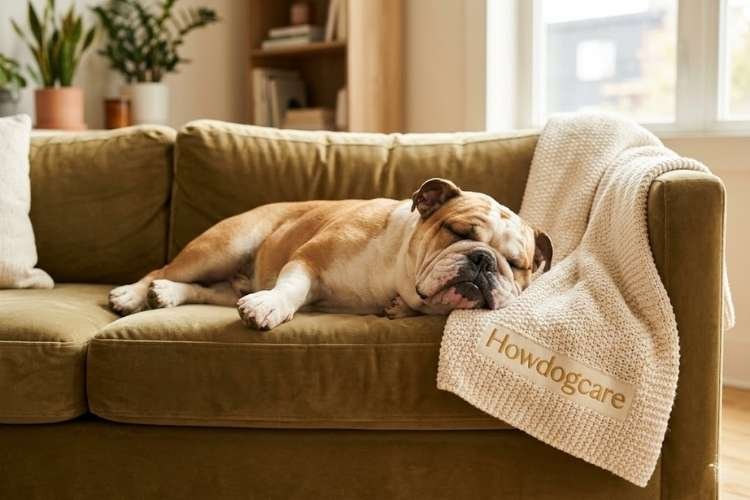
If your dog spends most of their day napping on the sofa, their coat stays remarkably clean. They are simply not exposed to heavy outdoor dirt, mud, or strong environmental odors.
- These low-activity indoor dogs can comfortably go 2 to 3 months between full tub baths.
- Over-bathing them is completely unnecessary and often leads directly to painful dry skin.
- Routine daily brushing is usually more than enough to keep their coat fresh, shiny, and totally healthy.
The Adventurer: Hiking, Swimming, and Mud-Loving Dogs
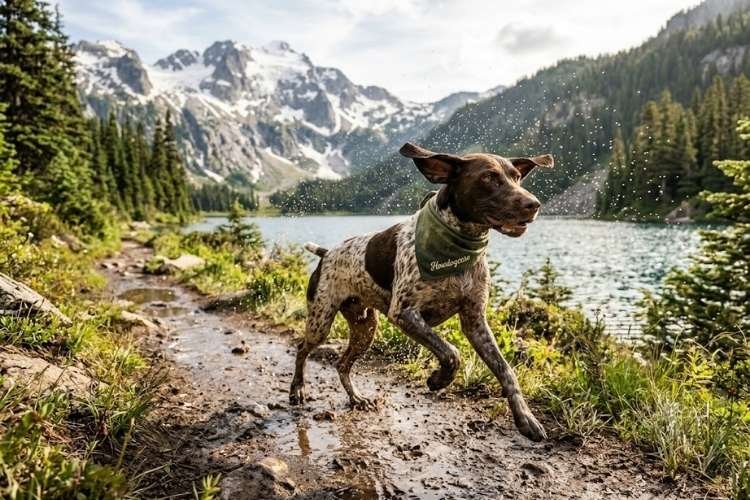
Conversely, if your dog lives for muddy trail hikes and swimming in local ponds, their hygiene needs skyrocket. Swamp water and trail dirt quickly turn a pristine coat into a foul-smelling, matted mess.
- Highly active adventurers usually require a thorough bath every 4 to 6 weeks.
- If they roll in something truly toxic or dead, an immediate emergency bath is absolutely mandatory.
- Always firmly rinse lake or pool water out of their fur immediately to prevent severe chemical irritation.
Medical and Health Considerations That Dictate Bath Time
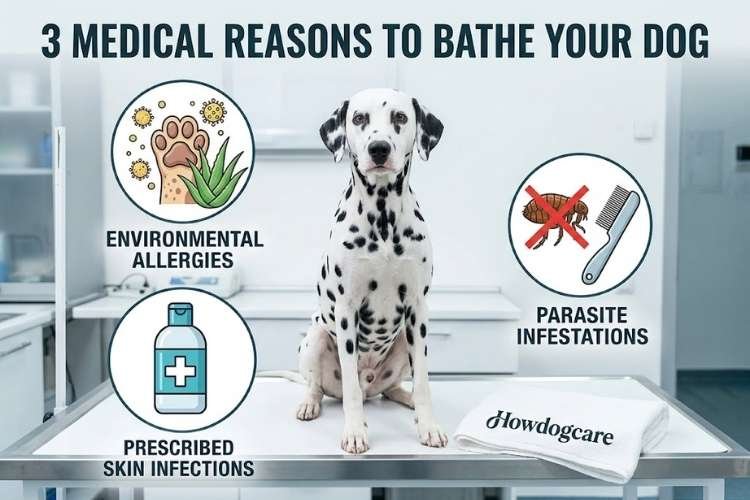
Sometimes, the decision of when to bathe your dog is taken entirely out of your hands by strict medical necessity. Veterinary dermatologists frequently use highly targeted topical therapy to treat severe systemic conditions.
If your dog suffers from chronic skin issues, standard bathing rules no longer apply.
Dealing with Environmental and Seasonal Allergies
Dogs absorb harsh environmental allergens directly through their skin and paw pads. If your dog suffers from severe seasonal allergies, frequent bathing physically removes the invisible pollen and dust mites.
- Allergic dogs often require a soothing, cool-water bath every 1 to 2 weeks during peak allergy season.
- Always use an ultra-gentle, hypoallergenic oatmeal shampoo to immediately calm red, inflamed skin.
- This aggressive schedule actively stops the frantic, painful cycle of continuous scratching and biting.
Managing Flea, Tick, and Parasite Infestations
A sudden flea or tick infestation instantly overrides your normal, scheduled grooming routine. You must act aggressively to kill the active adult parasites currently living on your dog.
- A targeted, medicated flea bath is strictly required the moment you spot live bugs or black flea dirt.
- Never use harsh human dish soap, as it completely destroys their natural skin barrier.
- Always follow up the emergency bath with a long-term, vet-approved topical parasite preventative.
Veterinary-Prescribed Medicated Bathing Schedules for Skin Infections
Severe bacterial hot spots and chronic fungal yeast infections require powerful clinical intervention. Your veterinarian will explicitly prescribe a strict, heavy-duty washing schedule to destroy the aggressive surface bacteria.
- These clinical treatments often require bathing every 3 to 5 days until the infection completely clears.
- You must leave the medicated lather completely undisturbed on the dog for a strict 10-minute contact time.
- Strictly follow your vet’s exact instructions, as stopping the baths early allows the stubborn infection to rapidly return.
You might also like
The Hidden Dangers of Over-Bathing Your Dog
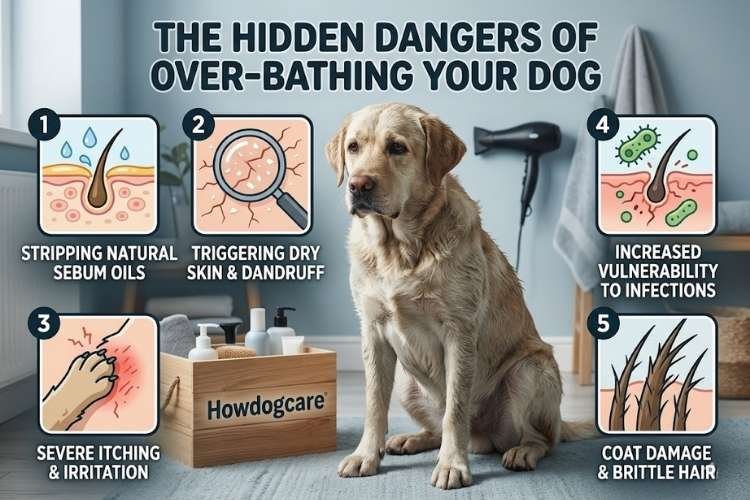
While a fresh-smelling dog is delightful for the owner, excessive washing is highly detrimental to the pet. Many well-meaning pet parents accidentally cause severe, long-term dermatological damage by aggressively over-cleaning their companions.
More baths do not equal a healthier dog. In fact, it often achieves the exact opposite result.
Stripping the Natural Sebum Oil and Acid Mantle
Canine hair follicles naturally produce a vital, protective oil called sebum. This unique substance heavily coats the skin, creating a waterproof, antibacterial barrier known directly as the acid mantle.
- Bathing too frequently violently washes away this essential, biological armor.
- Without this oily barrier, their coat instantly becomes dull, brittle, and highly prone to painful breakage.
- It leaves the dog’s vulnerable epidermis completely exposed to harsh environmental elements and aggressive bacteria.
Triggering Severe Dry Skin, Flaking, and Contact Dermatitis
Once that protective acid mantle is aggressively stripped away, severe skin irritation rapidly follows. The dog’s skin becomes completely parched, leading to a miserable cycle of chronic, daily discomfort.
- You will immediately notice heavy, white dandruff flakes visibly accumulating across their back and shoulders.
- The severe dryness triggers frantic, obsessive scratching, which quickly creates raw, bleeding hot spots.
- This broken skin barrier drastically increases their risk of developing highly painful contact dermatitis and dangerous secondary staph infections.
Clear Indicators: Signs It’s Definitely Time for a Full Tub Bath
Even with the most meticulously planned schedule, real life happens. When figuring out how often should you bathe a dog, observing their physical condition is just as important as reading a calendar.
Sometimes, your nose and hands will tell you exactly what your dog needs. You must learn to recognize the clear, physical signs that their natural self-cleaning mechanisms have completely failed.
- A strong, persistent foul canine odor that quickly transfers to your hands and furniture is a primary indicator.
- If their normally fluffy coat feels heavily slick, greasy, or leaves a dark, oily residue on your fingers, it is absolutely bath time.
- Visible clumps of dried mud, sticky tree sap, or unknown outdoor substances tightly matted into their fur require immediate washing.
See gear: Best Dog Bath Tub Large Reviews
Extending the Time Between Full Baths: Pro Groomer Secrets

Professional groomers know that the secret to a healthy coat is not more baths, but better daily maintenance. By actively managing your dog’s hygiene between tub sessions, you perfectly preserve their delicate acid mantle.
Implementing a few quick, daily habits drastically reduces the need for frequent, full-body submersions.
The Power of Daily Brushing to Distribute Oils and Remove Dirt
A high-quality brush is your absolute best defense against a smelly, dirty dog. Vigorous, daily brushing physically sweeps away dried outdoor dirt and highly irritating environmental dander.
- Brushing actively pulls the heavy, natural sebum oils away from the skin and distributes them evenly down the hair shaft.
- This vital process naturally cleanses the coat while adding a brilliant, weather-resistant shine.
- It immediately prevents small, hidden tangles from cementing into rock-hard, painful friction mats.
Using Pet-Safe Grooming Wipes for Muddy Paws and Messy Faces
You do not need to subject your dog to a full, stressful bath just because they stepped in a mud puddle. Spot-cleaning is a highly effective, severely underutilized grooming strategy.
- Keep a large pack of hypoallergenic, pet-safe grooming wipes right by your front door.
- Thoroughly wipe down their muddy paws, dirty underbelly, and tear-stained face immediately after every single outdoor walk.
- This physically removes the heaviest daily grime without ever stripping the essential oils from their main body.
Waterless Shampoos and Detangling Sprays for Quick Freshen-Ups
When your dog smells slightly musky but does not require a deep clean, dry grooming products are absolute lifesavers. They perfectly bridge the gap between heavy, scheduled washings.
- Canine waterless shampoo foams safely lift surface dirt and rapidly neutralize foul odors without requiring a single drop of water.
- Lightly misting a hydrating detangling spray adds highly soothing moisture while leaving a fresh, clean scent.
- These quick, five-minute treatments keep your dog perfectly fresh without compromising their long-term dermatological health.
Essential Bathing Best Practices for a Healthy Coat
When the time finally comes for a full tub session, your mechanical approach matters just as much as your schedule. Executing the bath incorrectly easily triggers the exact skin issues you are trying to prevent.
You must treat the bathing process as a careful, structured health routine rather than a frantic chore.
Selecting the Right pH-Balanced Canine Shampoo
Never, under any circumstances, reach for your own expensive salon shampoo or cheap dish soap. Human skin is naturally highly acidic, while a dog’s skin possesses a much more neutral pH level.
- Using human products violently disrupts their delicate skin chemistry, instantly causing severe microscopic abrasions and flaking.
- Always purchase a premium, pH-balanced dog shampoo heavily formulated with soothing, natural ingredients like colloidal oatmeal or aloe vera.
- If your dog has severe allergies, strictly avoid completely artificial fragrances, harsh sulfates, and toxic chemical parabens.
The Critical Importance of Thorough Rinsing and Proper Drying Techniques
The absolute most common at-home grooming mistake is rushing the crucial final rinse. Leaving an invisible layer of soapy residue trapped tightly against their skin guarantees a miserable, itchy dog.
- You must rinse their coat with completely clear, lukewarm water until absolutely zero soap bubbles remain.
- Once thoroughly rinsed, firmly press a highly absorbent microfiber towel against their fur to soak up the heaviest moisture.
- Never leave a dense, double-coated dog completely soaking wet, as trapped moisture quickly breeds highly painful, raw bacterial hot spots.
Frequently Asked Questions (FAQs) About Dog Bathing Schedules
Determining the perfect canine hygiene routine naturally raises highly specific, situational questions. Here are the authoritative, expert answers to the most common queries pet parents have about managing their dog’s bath time.
1. How often should I bathe a puppy compared to an adult dog?
Puppies generally require much less frequent bathing than adult dogs, usually only once a month unless they create a massive, muddy mess. Their fragile, developing skin is incredibly sensitive, and over-bathing violently strips the vital oils necessary for healthy adult coat growth..
2. Can I use human baby shampoo if I run out of dog shampoo?
While ultra-mild human baby shampoo is slightly safer than adult body wash in a desperate emergency, it is still not pH-balanced for a canine. Frequent use will eventually dry out their skin, so you should always keep a dedicated, high-quality dog shampoo stocked in your home.
3. Should I bathe my dog more frequently during the hot summer months?
You generally do not need to increase full tub baths simply because it is hot outside. Instead of using shampoo, you can safely offer them quick, cool-water rinses with a garden hose to safely lower their body temperature and wash away loose yard dirt.
4. How long should I wait to bathe my dog after applying topical flea medicine?
You must strictly wait at least 48 to 72 hours after applying a liquid topical parasite preventative before bathing your dog. Bathing them too soon violently washes the expensive medication away before it can fully absorb into their sebaceous glands.
5. Why does my dog actually smell worse immediately after getting wet?
The classic “wet dog smell” is caused directly by microscopic, naturally occurring yeast and bacteria safely living on your dog’s skin. When these dormant microorganisms come into contact with water, they instantly release highly concentrated, volatile organic compounds into the air, creating that strong, musty odor.
Conclusion: Creating a Customized, Stress-Free Hygiene Routine
There is no universal magic number when deciding exactly how often should you bathe a dog. By carefully analyzing your dog’s specific breed, coat texture, and daily outdoor lifestyle, you can easily craft the perfect schedule.
Prioritize daily brushing and quick spot-cleaning over constant, heavy submersion. By perfectly balancing cleanliness with skin health, you will ensure your furry best friend stays delightfully fresh, completely itch-free, and incredibly comfortable year-round.