


Welcoming a furry best friend into your home is a joyous occasion, but it also brings a massive responsibility. Navigating the complex world of dog health care can feel incredibly overwhelming for both new and experienced pet parents.
From daily nutrition to preventative veterinary visits, every single choice you make directly impacts your dog’s longevity. This comprehensive guide breaks down the absolute essential pillars of canine wellness. We will provide you with actionable, expert-backed strategies to ensure your companion thrives for years to come.
The Lifelong Commitment to Proactive Dog Health Care
Excellent dog health care is never passive; it requires constant, proactive daily dedication. Waiting for your pet to show visible signs of severe illness is a highly dangerous and costly strategy.
- Dogs are instinctively wired by nature to hide chronic pain and physical weakness from predators.
- By the time you finally notice a severe limp or deep lethargy, the underlying disease has often progressed significantly.
- Proactive care focuses heavily on early disease detection, building daily wellness habits, and preventing major medical emergencies before they ever take root.
Building an Unbreakable Partnership with Your Veterinarian
Your primary care veterinarian is the ultimate cornerstone of your dog’s lifelong medical team. Establishing a strong relationship built on mutual trust and open communication is absolutely vital.
- Find a highly rated local clinic that actively aligns with your personal pet care philosophy.
- Never hesitate to ask detailed questions about proposed medical treatments, medication side effects, or complex diagnostic costs.
- A phenomenal veterinarian will always patiently explain their clinical reasoning and clearly lay out all available medical options for your specific budget.
1. Mastering Canine Nutrition for Optimal Vitality

Food is the absolute foundational building block of optimal dog health care. Feeding your dog a biologically appropriate, high-quality diet directly fuels their immune system and fiercely protects their vital internal organs.
Decoding Dog Food Labels: What Actually Matters
Pet food marketing is notoriously confusing, often relying heavily on flashy buzzwords rather than solid nutritional science. You absolutely must learn to read the back of the bag, not just the colorful front packaging.
- Always look for a specifically named, high-quality animal protein (like whole chicken, beef, or salmon) as the absolute first ingredient.
- Ensure the food proudly carries a current AAFCO (Association of American Feed Control Officials) statement proving total nutritional adequacy.
- Strictly avoid generic “meat meals,” artificial dyes, or heavily processed chemical preservatives like BHA, BHT, and ethoxyquin.
The Dangers of Obesity: Portion Control and Weight Management
Canine obesity is a massive, silent epidemic that actively destroys your dog’s daily quality of life. Carrying excess body fat places severe, relentless mechanical strain on their delicate joints and cardiovascular system.
- Overweight dogs face a drastically increased risk of developing debilitating osteoarthritis, canine diabetes, and fatal heart disease.
- Never blindly trust the generic feeding guidelines printed directly on the dog food bag, as they frequently overestimate daily caloric needs.
- Use an exact standard measuring cup for every single meal, and aggressively factor all daily training treats into their total calorie count.
Essential Supplements: When Are They Truly Necessary?
While a perfectly balanced commercial diet provides basic baseline nutrition, targeted supplements can dramatically enhance specific areas of your dog’s health. However, indiscriminate or blind supplementing is highly dangerous and wasteful.
- High-quality Omega-3 fatty acids (like pure fish oil) heavily reduce systemic joint inflammation and actively promote a brilliantly shiny, itch-free coat.
- Canine-specific probiotics are phenomenal for quickly stabilizing sensitive stomachs and rebuilding vital gut flora after a harsh round of prescription antibiotics.
- Always consult your veterinarian before introducing heavy joint supplements (like glucosamine and chondroitin) to guarantee correct, medically safe dosing.
Hydration Station: Recognizing the Hidden Signs of Dehydration
Clean water is the most critical, yet frequently overlooked, daily nutrient in your dog’s overall diet. Chronic, low-grade dehydration silently wreaks absolute havoc on their aging kidneys and delicate urinary tract health.
- A healthy, moderately active dog generally needs exactly one ounce of fresh water per pound of body weight every single day.
- To quickly check for dangerous dehydration at home, gently pinch the loose skin at the back of their neck; it should instantly snap perfectly back into place.
- If the skin slowly “tents” or their gums feel noticeably dry and sticky, your dog needs immediate hydration and potentially emergency veterinary fluid therapy.
Related: Top 10 Best Automatic Dog Waterer Outdoor Reviews
2. Core Preventative Medicine: Shielding Your Dog from Disease
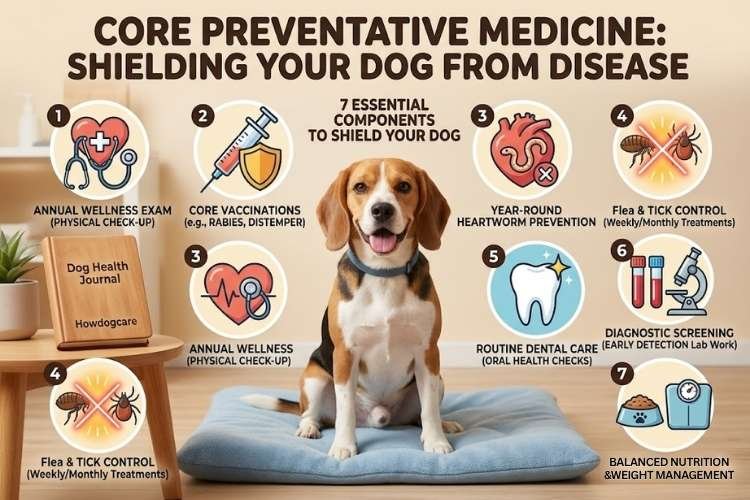
Exceptional dog health care relies heavily on stopping dangerous illnesses before they ever start. Preventative medicine is the absolute most cost-effective and humane way to manage your pet’s long-term wellness.
Instead of aggressively treating severe symptoms later, you are actively building an impenetrable biological shield around your furry companion right now.
The Annual Wellness Exam: Beyond the Basic Checkup
A yearly veterinary visit is never just a quick weight check; it is a vital, highly comprehensive diagnostic evaluation. Your veterinarian physically palpates internal organs, listens for subtle heart murmurs, and assesses early joint deterioration.
- Baseline bloodwork provides a crucial internal snapshot, catching silent kidney or liver disease months before physical symptoms appear.
- Microscopic fecal exams instantly identify dangerous internal parasites that actively drain your dog’s daily energy and compromise their gut.
- Missing just one annual exam allows aggressive, fast-moving cancers or dental diseases to spread entirely undetected.
Core vs. Non-Core Vaccinations: Creating a Custom Schedule
Immunization protocols should never be a rigid, one-size-fits-all approach. You must work directly with your vet to create a highly customized schedule based entirely on your dog’s specific geographic location and daily lifestyle.
- Core vaccines (like Rabies, Distemper, and Parvovirus) are universally non-negotiable for every single dog, regardless of their daily activity level.
- Non-core vaccines (like Bordetella, Lyme, or Canine Influenza) are strictly dictated by your dog’s specific exposure risk, such as frequenting busy boarding kennels or heavily wooded hiking trails.
- Over-vaccinating can occasionally stress the immune system, so always discuss medical titer testing with your veterinarian for older adult dogs to measure their existing immunity.
Related: Puppy Vaccination Schedule: Shots, Timing & Printable Chart
Winning the War Against Fleas, Ticks, and Heartworms
External and internal parasites are not just highly annoying pests; they are incredibly dangerous, deadly vectors for severe infectious diseases. A single mosquito bite easily transmits fatal heartworms directly into your dog’s cardiovascular system.
- Heartworm treatment is agonizingly painful, massively expensive, and carries a highly significant mortality rate if caught late.
- Ticks actively transmit Lyme disease and Rocky Mountain spotted fever, which cause crippling joint pain and severe neurological damage.
- You absolutely must maintain strict, continuous, year-round administration of prescription-grade preventatives, completely ignoring dangerous seasonal weather myths.
Related: Top 10 Best Flea and Tick Pills for Dogs Reviews
The Critical Importance of Routine Dental Cleanings
Canine dental disease is a massive, widely ignored epidemic that severely shortens your dog’s overall lifespan. Chronic oral bacteria easily enters the bloodstream directly through inflamed gums, silently attacking the delicate heart valves and kidneys.
- Daily at-home brushing with enzymatic canine toothpaste is your first, absolute best line of defense against hardened tartar buildup.
- However, your dog still explicitly requires annual professional cleanings under anesthesia to safely scale deeply below the gumline where severe disease actively festers.
- Ignoring foul breath instantly guarantees highly painful, expensive tooth extractions and severe, systemic bacterial infections down the road.
3. Physical Fitness: Tailoring Exercise to Breed and Age

Proper physical conditioning is a massive, non-negotiable component of excellent dog health care. However, exercise requirements vary wildly based entirely on your dog’s specific genetic breed, current life stage, and unique orthopedic structure.
You cannot force a marathon runner’s routine onto a heavily built, giant breed without causing profound structural damage.
Structured Aerobic Activities vs. Unstructured Free Play
Merely opening the back door to let your dog roam the yard is absolutely not adequate physical exercise. To maintain peak cardiovascular health, they desperately need a perfect blend of highly structured activity and mental freedom.
- Structured aerobic exercise (like brisk, continuous leash walking or focused jogging) rapidly builds massive cardiovascular endurance and lean muscle tone.
- Unstructured free play (like off-leash sniffing, exploring, or casual fetch) naturally relieves deep psychological stress and promotes healthy canine mobility.
- Aim for at least 30 to 60 minutes of deeply engaging, elevated-heart-rate activity every single day to actively prevent destructive boredom behaviors.
Protecting Developing Joints in Growing Puppies
A young puppy’s skeletal system is incredibly fragile because their biological growth plates remain completely soft and entirely open. Forcing a developing puppy into heavy, repetitive exercise violently damages their future structural integrity.
- Strictly avoid forced, sustained jogging on hard concrete pavement until your dog is fully mature (usually 18 to 24 months for large breeds).
- Aggressive jumping off high furniture or repeatedly launching out of tall vehicles rapidly causes severe, permanent micro-fractures in their developing joints.
- Stick exclusively to short, highly frequent walks directly on soft grass or dirt trails to safely build their initial stamina and protect their hips.
Safe Exercise Strategies for Brachycephalic (Flat-Faced) Dogs
Breeds with severely shortened snouts (like French Bulldogs, Pugs, and English Bulldogs) suffer from highly compromised, restricted biological airways. You must actively manage their daily activity levels with extreme, hyper-vigilant caution.
- Brachycephalic dogs cannot pant effectively, making them incredibly susceptible to rapid, highly fatal heatstroke in even mildly warm weather.
- You must strictly limit their outdoor aerobic exercise to the absolute coolest parts of the early morning or late evening to prevent respiratory distress.
- Always use a well-fitted, highly supportive body harness instead of a traditional neck collar to prevent violently crushing their highly fragile windpipes during walks.
4. Canine Mental Health: Preventing Boredom and Anxiety
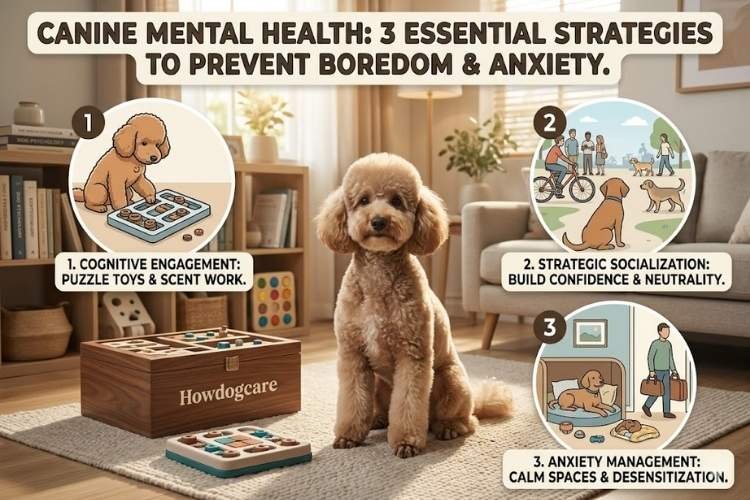
When discussing comprehensive dog health care, physical fitness is only half of the wellness equation. A dog with peak cardiovascular health can still suffer immensely from chronic, severe psychological distress if left mentally unstimulated.
Boredom directly breeds highly destructive, obsessive behaviors. You must actively challenge their highly intelligent brains daily to ensure a truly happy, well-adjusted canine companion.
Brain Games: Harnessing Puzzle Toys and Scent Work
Mental fatigue often exhausts a high-energy working dog much faster than a standard neighborhood walk. Forcing them to actively problem-solve taps directly into their natural, biological foraging instincts.
- Ditch the standard food bowl and serve every single meal inside a complex, highly interactive puzzle toy or stuffed Kong.
- Engage their incredibly powerful olfactory system by hiding high-value treats around the living room for structured scent work.
- Allowing them to take slow, unstructured “sniffaris” during walks rapidly burns mental energy and dramatically lowers their daily stress hormones.
Socialization: Building a Confident and Well-Adjusted Dog
Proper socialization is an absolute cornerstone of behavioral wellness, but it is frequently misunderstood. It is not about aggressively forcing your dog to play with every strange dog they meet at the park.
- True socialization involves safely exposing your dog to novel environments, loud noises, and diverse surfaces while maintaining a completely calm, neutral state.
- A well-socialized dog confidently ignores passing skateboards, screaming children, and heavy city traffic without instantly defaulting to fear-based aggression.
- If your dog shows severe reactivity, you must immediately partner with a certified, positive-reinforcement behaviorist to safely rebuild their confidence.
Recognizing and Managing Severe Separation Anxiety
Many pet parents mistakenly punish their dogs for destroying the house while they are at work. However, destroying door frames, frantic vocalization, and indoor accidents are classic, undeniable symptoms of absolute panic, not spite.
- Severe separation anxiety is a legitimate, highly distressing panic disorder that requires immediate, compassionate intervention.
- You must implement careful counter-conditioning, completely desensitizing your dog to the specific sound of your keys jingling or putting on your shoes.
- For extreme cases, consult your veterinarian immediately; combining behavioral training with targeted, prescription anti-anxiety medication often saves the dog’s life.
5. Grooming is Healthcare: Maintaining the Exterior
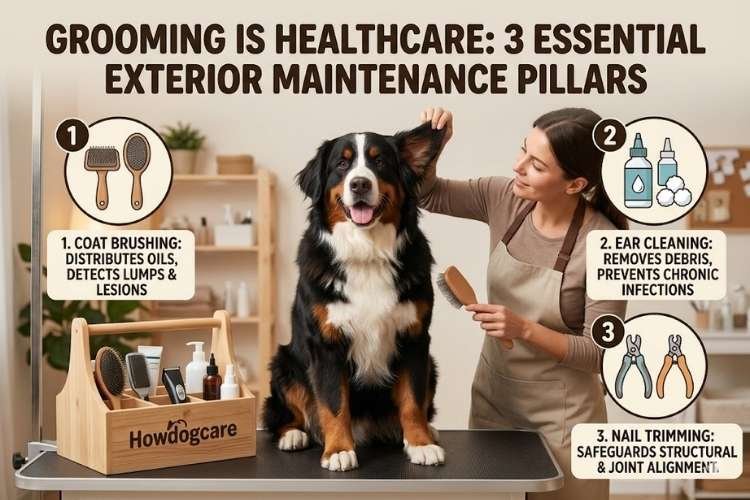
Many owners view daily grooming as a purely cosmetic chore, but it is actually a vital pillar of preventative dog health care. Your dog’s skin and coat serve as their primary, biological armor against environmental hazards.
By making grooming a positive daily habit, you actively monitor their exterior health and catch severe medical issues before they spread.
Coat Brushing: Distributing Oils and Spotting Skin Lesions
Routine brushing does much more than simply minimize heavy shedding on your furniture. It physically massages the skin, actively distributing highly protective, natural oils across the entire hair shaft for a waterproof barrier.
- Severe, ignored matting aggressively pulls the skin tight with every step, rapidly causing painful, hidden bacterial infections underneath the fur.
- Brushing acts as your daily physical exam; carefully feel for unusual lumps, attached ticks, or hidden, weeping hot spots.
- If you discover minor, superficial skin redness during your routine brushing, applying a thin layer of pure, dog-safe aloe vera can rapidly soothe the inflamed tissue and promote healing.
Ear Cleaning Protocols to Prevent Chronic Infections
Canine ear canals are biologically designed with a steep L-shape that aggressively traps heavy moisture, dark wax, and environmental debris. If you ignore routine ear maintenance, massive fungal yeast and bacterial infections are entirely inevitable.
- Use only high-quality, veterinarian-approved liquid cleansers that safely dissolve heavy wax while simultaneously drying the sensitive canal.
- Never blindly shove cotton swabs down into the ear; this violently packs the debris directly against the fragile eardrum and causes agonizing pain.
- Floppy-eared breeds and avid swimmers require highly vigilant, weekly ear checks to prevent rapid, painful moisture buildup.
Nail Trimming: Safeguarding Proper Joint Alignment
Allowing your dog’s nails to grow excessively long is a massive structural hazard, not just a minor aesthetic issue. When overgrown nails constantly strike the hard floor, they violently force the dog’s toes to bend backward unnaturally.
- This violently altered posture places massive, relentless daily stress directly on their delicate paw and leg joints.
- Chronically overgrown nails actively accelerate crippling, early-onset arthritis and permanently damage their skeletal alignment.
- Maintain a strict clipping schedule every three to four weeks, ensuring you use sharp, heavy-duty scissor clippers to safely avoid the sensitive internal quick.
You might also like
6. The At-Home Health Check: Being Your Dog’s First Responder

Proactive dog health care requires you to act as your pet’s primary pediatric nurse. You interact with them daily, making you the absolute best person to notice subtle, early deviations from their normal baseline.
Establishing a routine at-home assessment allows you to catch hidden, fast-moving illnesses long before they become catastrophic emergencies.
How to Perform a Weekly Nose-to-Tail Body Scan
Make a weekly physical inspection a calm, highly rewarding bonding experience. Start at their nose and slowly work your hands down their entire body, applying gentle, even pressure.
- Check their eyes for cloudy lenses, abnormal redness, or heavy colored discharge.
- Gently palpate their abdomen; it should feel perfectly soft and completely painless, never tight or visibly bloated.
- Carefully run your fingers down their legs and paws, feeling for new lumps, swelling, or hidden ticks hidden deeply between the toes.
Checking Vital Signs: Heart Rate, Breathing, and Gum Color
Knowing your dog’s resting vital signs is absolutely crucial during an unexpected medical crisis. These numbers immediately tell your veterinarian exactly how much distress your dog is currently experiencing.
- Gum Color: Lift the lip; healthy gums are bright “bubblegum” pink. White, blue, or severely red gums indicate an absolute, immediate medical emergency.
- Capillary Refill Time: Press firmly on the pink gum until it turns white, then release. The pink color should aggressively return in less than two seconds.
- Heart Rate: Place your hand on their lower left chest, just behind the front leg. Count the beats for 15 seconds and multiply by four to get their resting beats per minute.
Monitoring Bathroom Habits: What Stool Quality Tells You
While incredibly unglamorous, monitoring your dog’s daily bathroom habits provides the most accurate, real-time window into their internal gastrointestinal health.
- A perfectly healthy stool is firm, chocolate brown, and holds its shape perfectly when picked up.
- Black, tarry stools indicate dangerous internal bleeding high up in the digestive tract, requiring immediate veterinary intervention.
- Straining to urinate, or producing only tiny, blood-tinged drops, strongly points to a highly painful urinary tract infection or dangerous bladder stones.
7. Recognizing the Early Warning Signs of Common Illnesses
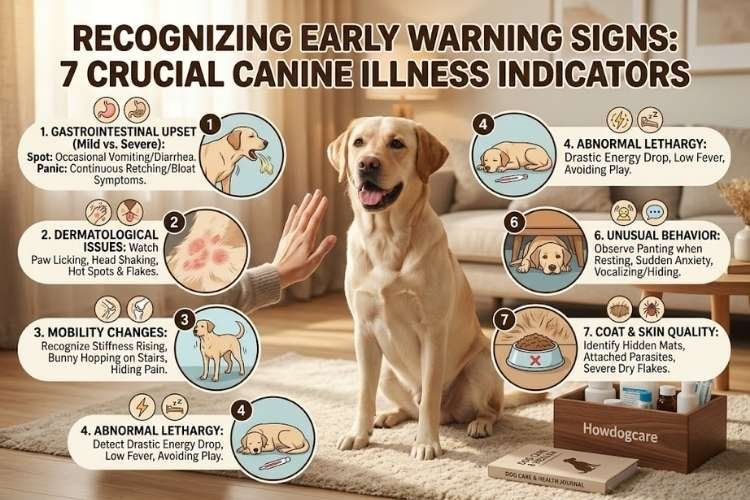
Even with impeccable dog health care, illnesses will inevitably occur throughout your pet’s lifetime. Your strict, daily goal is to quickly recognize the very first subtle warning signs.
Delaying treatment for just 24 hours often turns a simple, highly treatable infection into a massive, life-threatening ordeal.
Gastrointestinal Upset: When to Fast and When to Panic
Occasional vomiting from eating grass or eating too fast is generally normal. However, severe, continuous gastrointestinal distress rapidly causes fatal dehydration.
- For mild diarrhea, safely fast adult dogs for 12 to 24 hours to let the severely inflamed gut rest, then introduce bland boiled chicken and plain white rice.
- Never fast a young puppy; their blood sugar rapidly drops to highly dangerous, fatal levels within hours.
- If your dog aggressively tries to vomit but produces absolutely nothing, rush them to the ER immediately. This is a classic, undeniable sign of highly fatal gastric torsion (bloat).
Dermatological Issues: Allergies, Hot Spots, and Obsessive Itching
Chronic skin conditions actively destroy your dog’s daily quality of life, causing severe psychological distress and agonizing, relentless itching.
- Obsessively licking their paws or aggressively scratching their ears constantly are the primary symptoms of severe environmental or food allergies.
- Hot spots are highly painful, bright red, rapidly spreading bacterial skin infections that literally appear overnight.
- Never ignore chronic itching; untreated allergies eventually destroy the skin’s natural barrier, leading to massive, deep-tissue staph infections.
Mobility Changes: Spotting the First Subtle Signs of Arthritis
Dogs are biological masters at hiding profound orthopedic pain. They will rarely ever cry out or whimper until the joint degradation is completely catastrophic.
- Watch closely for subtle “bunny hopping” up the stairs, which heavily indicates severe hip dysplasia or lower back pain.
- If they struggle immensely to stand up after a long nap, but slowly “warm out” of the stiffness, they are actively suffering from early-onset osteoarthritis.
- Never give your dog human pain medications like Ibuprofen or Tylenol; these are highly toxic and will cause rapid, fatal liver and kidney failure.
8. Adapting Your Health Care Strategy for Senior Dogs

As your dog confidently enters their golden years, their biological needs change dramatically. Phenomenal dog health care gracefully adapts to these physical shifts, deeply prioritizing daily comfort.
You must intentionally shift your focus toward specialized nutrition and mental preservation rather than high-impact physical exertion.
Dietary Adjustments for Aging Kidneys and Slowing Metabolisms
An aging canine body simply cannot process heavy fats and complex proteins as efficiently as a young, robust puppy. Their internal organs require highly targeted nutritional support.
- Transition them to a high-quality senior diet specifically formulated with slightly lower calories to prevent dangerous, late-life obesity.
- Ensure the food contains carefully controlled phosphorus levels to actively protect their fragile, aging kidneys.
- Consider adding high-quality, omega-3 fatty acids and joint-specific supplements (like Cosequin) to naturally reduce systemic, age-related inflammation.
Orthopedic Beds and Necessary Environmental Modifications
You must proactively alter your physical home environment to safely accommodate their naturally declining mobility and weakening eyesight.
- Invest heavily in a thick, premium orthopedic memory foam bed to actively cushion their aching joints and prevent painful pressure sores.
- Place secure, non-slip area rugs directly over slippery hardwood floors to prevent dangerous, hip-shattering falls.
- Use gentle, highly stable ramps to help them safely access high beds or cars, completely eliminating the need for hard, jarring jumps.
Cognitive Dysfunction: Supporting the Aging Canine Brain
Just like humans, senior dogs can unfortunately develop severe Canine Cognitive Dysfunction (CCD), which presents remarkably similarly to human Alzheimer’s disease.
- Watch closely for heartbreaking signs like staring blankly into corners, getting trapped behind open doors, or suddenly pacing aggressively all night.
- Maintain a highly strict, predictable daily routine to actively reduce their severe environmental anxiety and mental confusion.
- Discuss targeted prescription medications and specialized neuro-supportive diets with your veterinarian to significantly slow the aggressive cognitive decline.
Frequently Asked Questions (FAQs) About Dog Health Care
Navigating the complexities of dog health care naturally brings up highly specific, situational questions. Even the most dedicated pet parents occasionally need quick, authoritative clarification on common canine issues.
Here are the expert, concise answers to the most critical questions regarding your dog’s lifelong wellness.
1. How often should a perfectly healthy adult dog see the vet?
A perfectly healthy adult dog (aged one to seven years) strictly requires exactly one comprehensive veterinary exam annually.
- However, once your dog officially reaches their senior years, you must increase these wellness visits to twice a year.
- Aging canines develop aggressive metabolic and joint diseases much faster, requiring highly vigilant, biannual monitoring..
2. What common human foods are absolutely toxic to dogs?
Xylitol (Birch Sugar): Found in sugar-free gum and some peanut butters; causes rapid, fatal liver failure.
- Grapes and Raisins: Even a tiny handful will trigger acute, irreversible kidney failure.
- Chocolate, Onions, Garlic, and Macadamia Nuts: These violently attack the red blood cells, nervous system, and cardiovascular function.
3. Is pet insurance actually worth the monthly premium cost?
Yes, investing in comprehensive pet insurance is a massive pillar of responsible dog health care. A sudden, catastrophic emergency surgery or cancer diagnosis can easily cost thousands of dollars overnight.
- Pet insurance provides immense financial peace of mind, allowing you to choose the absolute best medical treatment without facing economic euthanasia.
- You absolutely must enroll your dog while they are a young puppy, long before any uninsurable pre-existing conditions are permanently documented in their medical file.
4. How can I definitively tell if my dog is hiding physical pain?
Because dogs are biologically wired to hide vulnerability, recognizing physical pain requires hyper-vigilant observation of their daily habits. They rarely vocalize their discomfort until the pain is excruciating.
- Watch closely for sudden, uncharacteristic aggression, aggressive panting while resting, or hiding in dark closets.
- A sudden loss of appetite or a complete refusal to climb a familiar set of stairs heavily indicates severe orthopedic or internal pain.
- If your dog constantly licks one specific joint or continuously shifts their weight while standing, they need an immediate veterinary evaluation.
5. At what specific age is a dog officially considered a “senior”?
Canine aging is strictly dictated by the dog’s genetic breed size and total adult body weight, not a universal number.
- Giant breeds (like Great Danes or Mastiffs) age incredibly rapidly and are officially considered seniors at just 5 to 6 years old.
- Medium-to-large breeds (like Golden Retrievers or Labrador Retrievers) typically enter their senior years between 7 and 8 years old.
- Small and toy breeds (like Chihuahuas or Yorkshire Terriers) mature much slower, often not reaching senior status until 10 to 12 years of age.
Conclusion: Embracing the Journey of Lifelong Canine Wellness
Mastering comprehensive dog health care is the absolute greatest gift you can ever give your furry best friend. It transforms you from a simple pet owner into a powerful, highly proactive medical advocate for their lifelong well-being.
By fiercely protecting their daily nutrition, strictly maintaining preventative veterinary visits, and actively managing their mental health, you drastically extend their lifespan. Every single healthy meal, engaging walk, and routine physical exam directly builds an unbreakable, joyful bond that will beautifully last for years to come.