

There is nothing more frustrating than losing sleep because your furry friend will not settle down. If you are exhausted and frantically searching for how to stop dog barking at night, you are not alone. Nighttime vocalization is a common issue, but it is highly treatable once you understand the root cause.
In this comprehensive guide, we will explore exactly why your dog turns into a midnight alarm clock. More importantly, we provide actionable, expert-backed strategies to quiet the noise, soothe their anxiety, and restore peaceful sleep to your entire household.
The Midnight Wake-Up Call: Understanding Why Your Dog Barks When the Lights Go Out
To fix the noise, you must first decode the behavior. Dogs do not bark at 2 AM just to annoy you; they are actively communicating a need, fear, or instinct. Treating the underlying trigger is much more effective than simply silencing the symptom. Let’s break down the most common reasons your dog breaks the silence after dark.
Boredom and Pent-Up Energy: The #1 Nighttime Culprit
A tired dog is a quiet dog. If your pet spends the entire day sleeping while you are at work, they have abundant energy to burn at midnight.
- Dogs require both physical exertion and mental enrichment daily.
- Without adequate stimulation, they will use barking as an outlet for their frustration.
- This type of barking is often rhythmic, repetitive, and accompanied by restless pacing.
Fear, Anxiety, and Heightened Senses in the Dark
When the sun goes down, your dog’s environment drastically changes. Shadows stretch, and without visual clarity, their highly sensitive hearing takes over to compensate.
- Separation anxiety often spikes at night if your dog is forced to sleep in a different room.
- The darkness amplifies ordinary house creaks, triggering a fearful stress response.
- Anxious barking usually sounds high-pitched, frantic, and may include whining or distressed howling.
Territorial Alert Barking at Shadows, Wind, and Wildlife
Your dog views your home as their den, and they feel a powerful genetic instinct to protect it. At night, nocturnal animals like raccoons, possums, or neighborhood stray cats become highly active.
- Dogs can hear wildlife rustling in the bushes long before you notice a sound.
- This triggers alert barking, characterized by sharp, loud, and authoritative barks.
- They are essentially shouting an alarm to warn you of a perceived, invisible intruder.
Medical Issues and Canine Cognitive Dysfunction (CCD)
Sometimes, nighttime restlessness points to a hidden medical problem rather than a behavioral one. If your normally quiet dog suddenly starts pacing and vocalizing at night, a veterinary check is absolutely crucial.
- Bladder infections or gastrointestinal upset can cause urgent, painful distress in the dark.
- Undiagnosed chronic pain makes it impossible for them to find a comfortable sleeping position.
Recognizing Signs of Joint Pain or Dementia in Senior Dogs
As dogs age, their bodies and minds undergo significant wear and tear. Canine Cognitive Dysfunction (CCD), similar to human Alzheimer’s, frequently causes severe nighttime confusion and panic.
- Watch for disorientation: Getting stuck in corners or staring blankly at walls for long periods.
- Check for osteoarthritis: Stiffness when rising, heavy panting, and reluctance to use stairs.
- Senior dogs with dementia often have reversed sleep-wake cycles, leading to vocalization in the dark.
12 Proven Strategies: How to Stop Dog Barking at Night
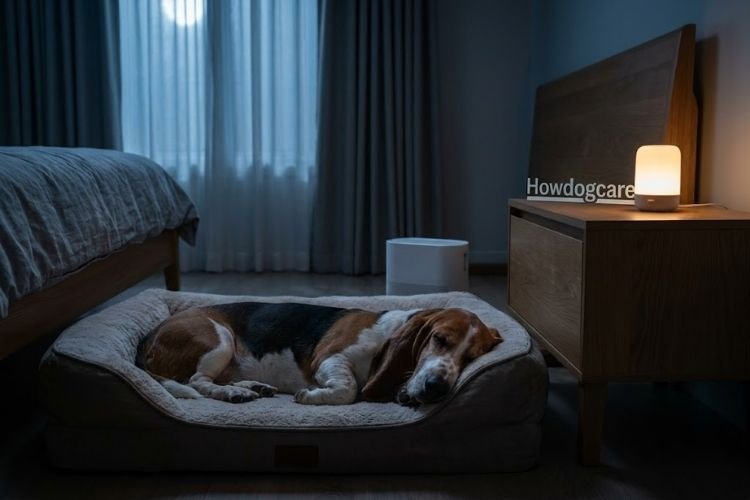
Once you identify the trigger, you can implement targeted, effective solutions. Consistency is your greatest tool for changing canine behavior. Here is your actionable, step-by-step guide on exactly how to stop dog barking at night and reclaim your rest.
Step 1: Upgrade Their Evening Exercise Routine

Burning off excess energy right before bed is the most effective preventative measure for nighttime noise. However, a quick, five-minute trip to the backyard is rarely enough.
- Schedule a brisk, 20-to-30-minute walk roughly an hour before bedtime.
- Engage in high-intensity fetch or tug-of-war to thoroughly tire out their muscles.
- The goal is to make them naturally crave sleep by the time the household lights go out.
Balancing Physical Exhaustion with Mental Stimulation (Sniffaris)
Physical exercise only solves half the puzzle; mental fatigue is equally important. A brain-drained dog will sleep much deeper than a dog that merely ran mindless laps in the yard.
- Take them on a “sniffari” walk where you allow them to stop and deeply smell everything.
- Ten minutes of intense sniffing tires a dog out just as much as a mile of rigorous running.
- Use food puzzle toys or practice obedience commands to exhaust their cognitive energy before bed.
Step 2: Establish a Strict, Predictable Pre-Bedtime Wind-Down Schedule
Dogs thrive on strict routines. A chaotic, high-energy evening makes it incredibly difficult for them to switch off their alert instincts.
- Start dimming the household lights 30 minutes before your planned bedtime.
- Lower the volume on the television and speak to your dog in calm, soothing tones.
- Perform a consistent final potty break at the exact same time every single night.
Step 3: Create a “Zen” Sleeping Environment to Block Triggers
If your dog is a territorial alert barker, you must manage their environment to block the specific stimuli triggering their alarm. A quiet, dark, and comfortable space is essential for uninterrupted rest.
Using White Noise Machines to Mask Outdoor Sounds
Dogs possess incredibly acute hearing, easily picking up neighborhood dogs barking several blocks away. Masking these distant noises prevents your dog from feeling the need to respond.
- Place a white noise machine or a standard box fan near your dog’s sleeping area.
- Play soft, classical music or specialized canine calming soundtracks on a low, steady volume.
- Consistent background noise effectively drowns out the sudden rustles and thumps that cause alert barking.
The Benefits of Blackout Curtains for Visually Alert Dogs
Many dogs bark at the visual stimulus of passing car headlights or shadows moving across the street. Removing their line of sight is a simple, instant behavioral fix.
- Install thick blackout curtains or heavy window blinds in the room where your dog sleeps.
- Ensure the curtains are fully drawn tightly before you turn off the interior lights.
- If your dog sleeps in a wire crate, drape a breathable blanket over the top and sides to create a secure, visually enclosed den.
Step 4: Re-evaluate Their Designated Sleeping Location
Where your dog sleeps drastically impacts their nighttime stress levels. If they are constantly waking you up, their current environmental setup might be the core problem. You need to provide a space that promotes absolute calm and unwavering security.
Bedroom, Living Room, or Crate: Choosing the Right Spot
Selecting the optimal sleeping location requires understanding your individual dog’s personality. A highly social dog forced to sleep alone in a distant laundry room will frequently trigger severe panic and vocalization.
- The Bedroom: Allowing them to sleep in your room often cures isolation distress instantly, as your steady breathing and physical presence are deeply comforting.
- The Crate: Crate training provides a secure, enclosed den-like environment that naturally soothes anxious or easily overstimulated dogs.
- The Living Room: If they sleep in a central living area, ensure their bed is placed in a quiet, draft-free corner away from street-facing windows.
Step 5: Master the Art of Ignoring Attention-Seeking Barking
If you truly want to master how to stop dog barking at night, you must strictly avoid rewarding the noise. Going to them, even to scold them or tell them to be quiet, gives them exactly what they want: your attention. You must absolutely ignore demand barking.
Surviving the “Extinction Burst” (Why It Gets Worse Before It Gets Better)
When you suddenly stop responding to their cries, your dog will naturally try harder to get your attention. This temporary, frustrating escalation in volume and intensity is known as an extinction burst.
- You must remain entirely silent and completely out of sight during this critical behavioral phase.
- Giving in during an extinction burst teaches them that extreme, prolonged persistence is the secret to unlocking your bedroom door.
- Stay strong; once they realize the barking no longer works, the behavior will rapidly diminish.
Step 6: Adjust Evening Feeding and Water Intake Schedules
Midnight bathroom emergencies are a guaranteed way to ruin a quiet, restful night. Adjusting their consumption schedule safely prevents them from waking up with a painfully full bladder.
- Feed your dog their final meal at least three hours before your designated bedtime to allow for proper digestion.
- Remove the water bowl roughly two hours before sleep, but always ensure they are fully hydrated throughout the active day.
- Perform one final, strictly business potty break right before you turn off the lights.
Step 7: Introduce Vet-Approved Calming Pheromones or Supplements
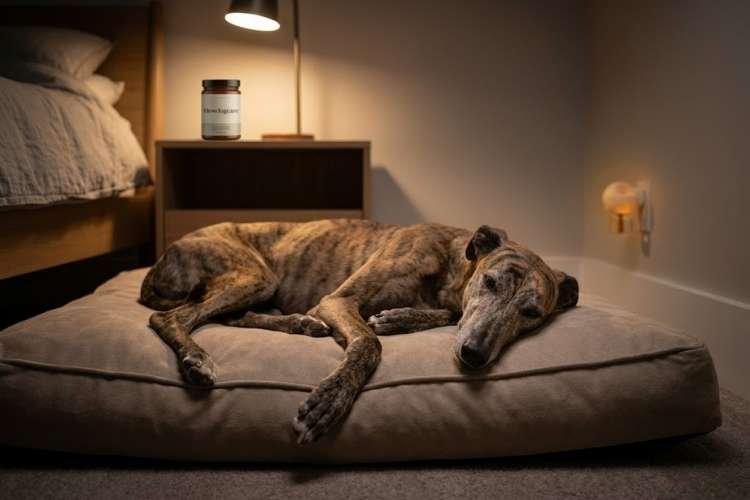
Sometimes, behavioral adjustments need a gentle, biological boost. Calming aids can effectively take the edge off a highly anxious, fearful, or hyper-vigilant dog, allowing them to finally relax.
- Plug-in pheromone diffusers release synthetic canine nursing hormones that naturally signal safety to your dog’s brain.
- High-quality calming chews featuring chamomile, L-theanine, or melatonin can gently aid relaxation.
- Always consult your veterinarian before introducing any new supplements to ensure the correct, safe dosage.
Step 8: Desensitize Your Dog to Specific Nighttime Noises
If distant sirens, fireworks, or the neighbor’s car door constantly set your dog off, you must change their emotional response to those sounds. Desensitization teaches them that these noises are incredibly boring and entirely irrelevant.
- Find a clean audio recording of their specific trigger sound and play it at an incredibly low, barely audible volume during the day.
- Heavily reward them with premium treats for remaining perfectly calm and quiet while the sound plays.
- Slowly increase the volume over several weeks, consistently pairing the noise with positive rewards.
Step 9: Practice the “Settle” and “Quiet” Commands During the Day
You cannot expect a dog to understand the word “quiet” at 3 AM if you have never formally taught it to them. Reliable nighttime obedience requires consistent, structured daytime practice.
- When your dog barks during the day, wait patiently for a natural pause in the noise and immediately say “Quiet” in a calm voice.
- Instantly reward that brief moment of silence with a high-value treat.
- Gradually extend the duration of the required quiet time before delivering the food reward.
Step 10: Provide Safe, Long-Lasting Chew Toys for Self-Soothing
Chewing is a highly effective, entirely natural stress reliever for canines. Giving them an appropriate, safe outlet prevents them from pacing, whining, and vocalizing when they suddenly wake up in the dark.
- Offer a highly durable, heavy-duty rubber toy stuffed with frozen peanut butter right as you put them to bed.
- The repetitive licking and chewing action naturally releases calming endorphins in their brain.
- This effectively lulls a restless dog back to sleep while keeping their mouth happily occupied.
Step 11: Schedule a Wellness Exam to Rule Out Underlying Pain
If a normally quiet, well-behaved dog suddenly develops severe nighttime vocalization, do not blindly assume it is purely behavioral. Sudden, drastic changes in routine often indicate hidden physical distress or discomfort.
- Schedule a comprehensive veterinary exam to proactively rule out painful conditions like urinary tract infections or early-stage arthritis.
- Treating the hidden, underlying medical issue often cures the midnight barking instantly.
- Never ignore sudden vocalization in senior dogs, as it may signal the onset of cognitive decline.
Step 12: Consult a Certified Behaviorist for Severe Separation Anxiety
When basic training fails and your dog is actively destroying the doorframe to reach you, you need professional intervention immediately. Severe canine panic cannot be cured with simple chew toys or ignored through an extinction burst.
- A certified veterinary behaviorist will expertly design a customized, scientifically backed counter-conditioning protocol for your specific dog.
- They possess the medical authority to prescribe necessary anti-anxiety medications to facilitate the learning process safely.
- Professional guidance ensures you address the root trauma without accidentally making the anxiety worse.
You might also like
What to Avoid: 3 Mistakes That Guarantee More Nighttime Barking
When you are desperately figuring out how to stop dog barking at night, your own sleep-deprived reactions can accidentally make the problem much worse. Dogs are incredibly observant, and they constantly read your body language for feedback.
Relying on frustration or inconsistent rules will quickly sabotage your training efforts. Let’s examine three common mistakes that well-meaning pet parents make, and exactly why you must avoid them to ensure a quiet house.
Why Yelling “Quiet” Validates Their Alarm (To Them, You’re Barking Too)
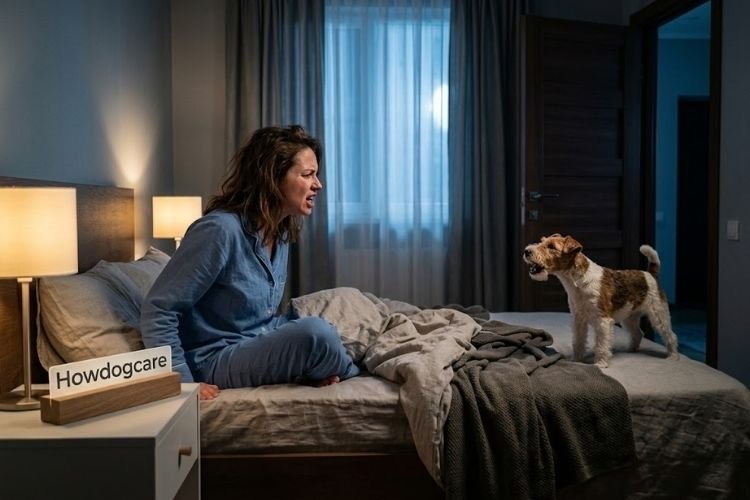
When your dog wakes you up out of a dead sleep, your immediate human instinct is to shout “No!” or “Quiet!” down the hallway. Unfortunately, dogs do not understand English vocabulary; they strictly interpret your energy and volume.
- To a highly aroused, alert dog, your loud shouting simply sounds like you are barking right alongside them.
- Yelling validates their fear, convincing them that there truly is a dangerous threat outside the window.
- You must always remain completely silent and calmly composed, projecting quiet leadership to de-escalate their panic.
The Problem with Rushing to Comfort a Nuisance Barker
It is vital to distinguish between genuine canine panic and manipulative, attention-seeking behavior. If your dog is simply bored or wants to play, rushing to their side actively rewards the noise.
- Petting, coddling, or giving a treat to a dog that barks for attention permanently reinforces the bad habit.
- They quickly learn that vocalizing loudly is the guaranteed currency required to purchase your affection at 2 AM.
- You must strictly ignore demand barking, ensuring they receive zero eye contact or physical touch until they are completely silent.
Why Inconsistent Bedtime Rules Confuse Your Pet
Dogs are creatures of habit that thrive under incredibly predictable boundaries. If you allow them to sleep in your bed on weekends but banish them to the kitchen crate on weekdays, you create massive behavioral confusion.
- Inconsistency breeds severe nighttime anxiety because the dog never knows what to expect when the lights go out.
- Establish a firm, singular sleeping location and enforce that boundary every single night without exception.
- A predictable routine provides immense psychological comfort, allowing their nervous system to fully relax.
Frequently Asked Questions (FAQs) About Nighttime Barking
Every dog is unique, and nighttime vocalizations can stem from highly specific scenarios. Here are the answers to the most common questions pet parents ask when trying to restore peace and quiet after dark.
1. Should I Let My New Puppy ‘Cry It Out’ in the Crate?
You must carefully differentiate between a lonely whine and a genuine bathroom emergency. Puppies have incredibly small bladders and physically cannot hold their urine through an entire eight-hour night.
- If they wake up crying after a few hours of sleep, calmly take them outside for a strictly business potty break.
- Do not play, turn on bright lights, or offer treats during this midnight bathroom trip.
- If they continue to whine purely for attention after they have successfully relieved themselves, you must then let them cry it out.
2. Why Does My Senior Dog Suddenly Bark at the Wall at 3 AM?
If your previously well-behaved senior dog suddenly begins staring at walls and barking into the void, it is highly indicative of a medical issue. This is a classic symptom of Canine Cognitive Dysfunction (CCD).
- Dementia in older dogs frequently reverses their sleep-wake cycles and causes severe spatial disorientation in the dark.
- Never punish a senior dog for this behavior; they are genuinely confused and experiencing cognitive distress.
- Schedule a veterinary appointment immediately to discuss brain-supporting supplements and anti-anxiety medications.
3. Are Anti-Bark Collars a Safe Solution for Nighttime Noise?
Professional behaviorists strongly advise against using shock, citronella, or ultrasonic anti-bark collars to cure nighttime vocalization. These devices only violently suppress the outward symptom without addressing the internal emotional trigger.
- If your dog is barking out of pure terror or separation anxiety, a painful shock will absolutely magnify their trauma.
- Suppressing fear-based barking often leads to explosive, redirected aggression or severe self-mutilation.
- Always prioritize positive reinforcement and environmental management over punitive, fear-inducing training gadgets.
Conclusion: Reclaiming Your Sleep and Restoring Your Dog’s Peace of Mind
Figuring out exactly how to stop dog barking at night requires a combination of empathy, environmental management, and unwavering consistency. Remember that your dog is not trying to punish you; they are simply communicating an unmet physical or emotional need.
By thoroughly exhausting their energy during the day, creating a secure, zen-like sleeping environment, and strictly ignoring attention-seeking behavior, you can successfully break the cycle. Stay patient, stick to your established bedtime routine, and you will soon enjoy quiet, restful nights alongside your happily sleeping canine companion.