


Welcome to the ultimate resource for feeding your canine companion. As a pet parent, you hold the key to your dog’s health, happiness, and vitality. Walking down the pet food aisle often feels overwhelming due to the sheer volume of choices. However, finding the best dog food is the most impactful decision you can make for your furry friend.
This comprehensive guide breaks down everything you need to know about canine nutrition. We will explore essential ingredients, uncover harmful additives, and review the top feeding practices. By the end of this article, you will feel completely confident choosing the perfect diet for your dog’s unique needs. Let’s dive into the science and strategy behind feeding your dog exactly what they deserve.
Why Choosing the Best Dog Food Matters
Feeding your dog is not just about filling their stomach and stopping their hunger. The food you put in their bowl directly fuels their entire biological system. High-quality ingredients provide the necessary building blocks for strong muscles, sharp minds, and robust immune systems. Conversely, cutting corners on nutrition often leads to long-term physical struggles and expensive veterinary bills.
Therefore, investing in the best dog food is essentially an investment in preventive medicine. When you prioritize excellent nutrition, you actively protect your dog from chronic diseases. A premium diet directly influences their daily energy levels, coat condition, and overall mood. Simply put, better food creates a better, happier life for your pet.
The Link Between Nutrition and Longevity
Every dog owner wants their pet to live forever. While we cannot stop time, we can certainly slow down the aging process through superior nutrition. High-quality diets rich in antioxidants combat cellular damage and reduce oxidative stress. This cellular protection directly correlates with a longer, more active lifespan.
Furthermore, feeding the best dog food ensures your dog maintains a healthy weight. Lean dogs consistently live up to two years longer than overweight dogs. Proper nutrition keeps joints lubricated, organs functioning optimally, and the heart pumping strongly well into their senior years.
Key longevity benefits of premium nutrition:
- Stronger immune response: Fights off common infections effortlessly.
- Cognitive preservation: Keeps senior dogs sharp and alert.
- Organ protection: Reduces the risk of liver and kidney failure over time.
Common Health Issues Caused by Poor Diet
Cheap, low-quality dog food often acts as a silent killer. These budget formulas rely heavily on cheap carbohydrates and untraceable meat sources. Consequently, dogs eating these diets frequently develop severe, chronic health issues over time.
One of the most common issues is chronic skin allergies. Poor diets trigger intense itching, hot spots, and relentless paw chewing. Furthermore, low-quality food frequently causes severe gastrointestinal distress, leading to chronic diarrhea or painful constipation.
Diet-related health conditions include:
- Canine obesity: Caused by high-calorie, low-nutrient fillers.
- Pancreatitis: Triggered by excessively high levels of rendered animal fats.
- Diabetes: Spiked by diets overloaded with simple carbohydrates and sugars.
Understanding Dog Nutrition Basics
To choose the best dog food, you must first understand how a dog’s body processes fuel. Dogs are omnivores with a strong carnivorous bias. They thrive on a delicate balance of proteins, fats, carbohydrates, and essential micronutrients.
Every single ingredient in their bowl serves a specific biological purpose. When a formula lacks balance, the dog’s body must work harder to compensate. Therefore, mastering the basics of canine nutrition empowers you to look past clever marketing and evaluate the food on a purely scientific level.
Essential Nutrients Every Dog Needs
A complete and balanced diet requires a precise blend of macronutrients and micronutrients. Missing just one essential nutrient can cause severe physical deficiencies. Your dog relies on you to provide a comprehensive nutritional profile every single day.
Protein is the absolute most important macronutrient. It supplies essential amino acids that build muscle, repair tissue, and grow healthy hair. Next, healthy fats provide the most concentrated source of energy while protecting the nervous system.
The core nutritional pillars include:
- Water: The most critical nutrient for survival and cellular function.
- Vitamins and Minerals: Crucial for bone health, vision, and metabolic function.
- Carbohydrates: Provide quick, easily accessible energy for active dogs.
How to Read Dog Food Labels
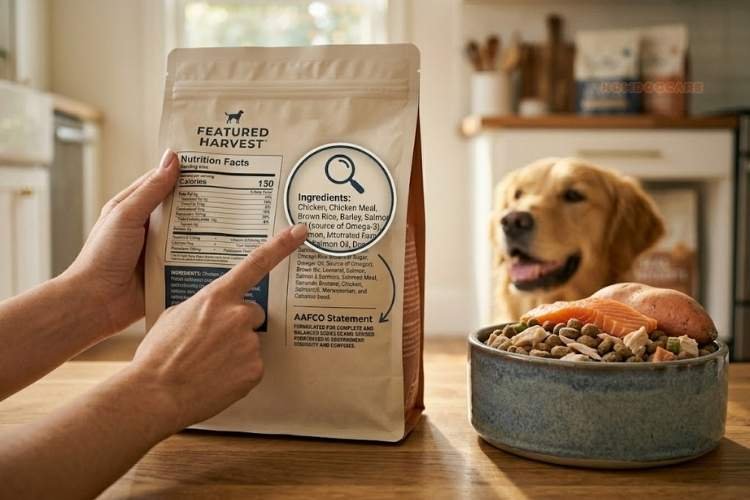
Dog food labels often seem intentionally confusing. However, learning to decode them is your greatest weapon in finding the best dog food. The FDA mandates that ingredients must be listed in descending order by their pre-cooked weight.
Therefore, the first three ingredients make up the vast majority of the bag’s contents. You always want to see a specific, named meat source occupying that crucial number one spot. If you see generic terms like “meat meal” or “poultry fat,” put the bag back on the shelf immediately.
Label-reading checklist:
- Identify the protein: Ensure chicken, beef, lamb, or fish is the first ingredient.
- Check the AAFCO statement: Confirm the food is formulated for a “complete and balanced” diet.
- Scan for splits: Watch out for “ingredient splitting” where cheap fillers (like corn gluten and whole corn) are listed separately to hide their total volume.
Types of Dog Food Available
The pet food industry offers an overwhelming variety of formats and textures. No single type of food is universally perfect for every single dog. You must weigh the pros and cons of each format against your budget, lifestyle, and dog’s preferences.
Whether you choose dry, wet, or fresh food, the quality of the ingredients matters most. Many owners even choose to mix different types of food to maximize nutritional benefits and keep mealtime exciting. Let’s explore the three most common formats available on the market today.
Dry Dog Food (Kibble)

Dry kibble remains the most popular choice for pet parents worldwide. It is highly convenient, extremely cost-effective, and easy to store for long periods. Furthermore, the hard crunch of the kibble helps mechanically scrape plaque and tartar off your dog’s teeth.
However, kibble contains very little moisture. Therefore, dogs eating a strictly dry diet must consume significantly more water from their bowl. When selecting the best dog food in a dry format, you must strictly avoid brands that rely heavily on corn or wheat to bind the kibble together.
Pros and cons of kibble:
PROS
- ✔ Excellent for dental health and highly affordable
- ✔ Can be left out in a bowl without spoiling quickly
CONS
- ✖ Highly processed and lacking in natural hydration
Wet Dog Food (Canned)

Wet dog food is incredibly aromatic and highly palatable. Even the most stubborn, picky eaters usually devour canned food immediately. Because it contains up to 80% moisture, it provides excellent daily hydration.
This makes wet food the absolute best dog food choice for senior dogs, dogs with dental pain, or dogs recovering from illness. However, it is significantly more expensive per meal than dry kibble. Additionally, once you open a can, it spoils rapidly and requires immediate refrigeration.
Pros and cons of wet food:
PROS
- ✔ Amazing taste and smell that dogs naturally crave
- ✔ High water content supports kidney and urinary tract health
CONS
- ✖ Does not provide any abrasive dental cleaning benefits
Raw and Fresh Dog Food Diets
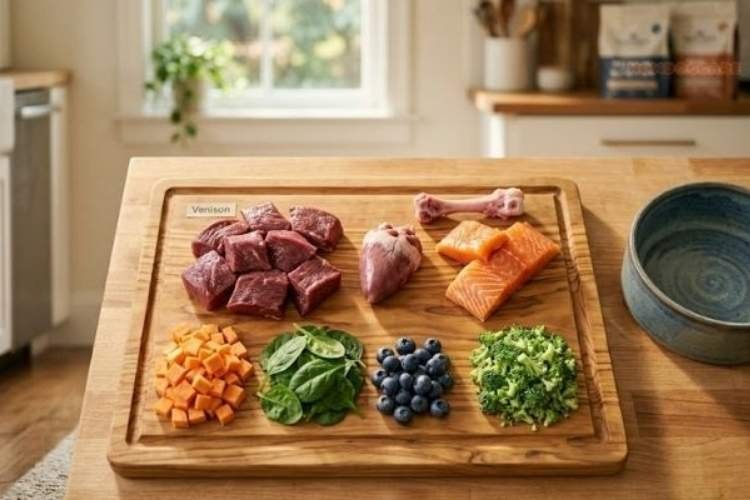
Fresh and raw diets have surged in popularity recently. These diets mimic what a dog’s ancestors would eat in the wild. Fresh dog food companies gently cook human-grade ingredients and ship them directly to your door in perfectly portioned packets.
Alternatively, raw diets consist of uncooked meat, organs, and bones. While these diets boast incredible health benefits, they require immense dedication. You must practice strict food safety hygiene to prevent bacterial contamination in your kitchen.
Considerations for fresh/raw diets:
PROS
- ✔ Highly digestible and produces much smaller, less smelly stool
- ✔ Custom-tailored to your dog’s exact caloric needs
CONS
- ✖ The most expensive feeding option available
How to Choose the Best Dog Food
Selecting the right diet requires a personalized approach. Your neighbor’s favorite kibble might cause terrible stomach upset for your specific dog. Therefore, you must evaluate your dog’s individual biological profile before making a purchase.
You must factor in their age, their specific breed, their daily activity level, and their current health status. A working Border Collie needs a vastly different diet than a senior Pug. By narrowing down these specific traits, you can quickly filter out the wrong choices and focus on the optimal formulas.
Age-Based Nutrition Needs
Dogs require vastly different nutritional profiles at different stages of their lives. Feeding an adult maintenance diet to a growing puppy will stunt their development. Conversely, feeding calorie-dense puppy food to a senior dog will cause rapid, dangerous weight gain.
Puppies require the best dog food formulated for growth. They need high levels of protein for muscle development and precise calcium ratios for bone growth. Senior dogs, on the other hand, need lower calories, higher fiber, and added joint supplements like glucosamine.
Age-specific feeding guidelines:
- Puppies (0-12 months): Need high calories, DHA for brain development, and frequent meals.
- Adults (1-7 years): Require balanced maintenance diets focusing on lean protein.
- Seniors (7+ years): Need highly digestible proteins, lower fat, and joint support.
Breed and Size Considerations
Size matters significantly when choosing the best dog food. Small breeds possess incredibly fast metabolisms and require nutrient-dense kibble packed into tiny, bite-sized pieces. If the kibble is too large, toy breeds can easily choke or refuse to eat.
Large and giant breeds face an entirely different set of challenges. They are highly susceptible to crippling orthopedic issues like hip dysplasia. Therefore, large breed formulas tightly control calcium and phosphorus levels to prevent their bones from growing too rapidly during puppyhood.
Size-specific dietary needs:
- Toy/Small Breeds: Need calorie-dense formulas to prevent hypoglycemia.
- Medium Breeds: Thrive on standard maintenance formulas with balanced macros.
- Large/Giant Breeds: Require controlled bone-growth minerals and added joint protection.
Ingredients to Look for in the Best Dog Food
A dog food formula is only as good as its raw ingredients. When you flip the bag over, you want to see a list of whole, recognizable foods. The best dog food brands proudly display their high-quality sourcing and transparent manufacturing processes.
You should actively search for ingredients that provide multiple biological benefits. For example, sweet potatoes offer excellent complex carbohydrates while simultaneously delivering a massive dose of digestive fiber. Focusing on premium ingredients ensures your dog easily absorbs and utilizes the nutrition.
High-Quality Proteins
Protein is the engine that drives your dog’s health. You must prioritize whole, named meat sources at the very top of the ingredient list. Look for fresh chicken, deboned salmon, grass-fed beef, or pasture-raised lamb.
Named meat meals (like “chicken meal” or “salmon meal”) are also excellent. They are simply fresh meats that have had the moisture baked out, resulting in a highly concentrated protein source. These high-quality proteins provide the essential amino acids required for strong muscles and a healthy heart.
Top protein sources to look for:
- Salmon: Packed with Omega-3 fatty acids for skin and coat health.
- Turkey: A highly digestible, lean protein perfect for sensitive stomachs.
- Venison: An excellent “novel protein” for dogs suffering from severe food allergies.
Healthy Fats and Carbohydrates
Do not fear fats and carbohydrates; they are essential for your dog’s survival. Healthy fats provide the most concentrated form of energy and help the body absorb essential fat-soluble vitamins. Look for named fat sources like “chicken fat” or “salmon oil” rather than generic “animal fat.”
Carbohydrates provide quick, sustained fuel for active dogs. The best dog food utilizes complex, slow-burning carbohydrates rather than cheap sugar spikes. Whole grains, legumes, and starchy vegetables are excellent choices for healthy canine digestion.
Premium fats and carbs include:
- Flaxseed: An incredible source of Omega-3 and dietary fiber.
- Brown Rice: A highly digestible, gentle whole grain.
- Sweet Potatoes: Rich in vitamins, minerals, and complex energy.
Ingredients to Avoid
Just as important as knowing what to include is knowing what to strictly avoid. The pet food industry often uses cheap, synthetic ingredients to cut costs and extend shelf life. These harmful additives provide absolutely zero nutritional value to your dog.
Feeding these ingredients long-term can trigger a cascade of severe health issues, from chronic inflammation to potential organ damage. When searching for the best dog food, you must become a vigilant label reader and fiercely reject bags containing these dangerous fillers.
Harmful Additives and Fillers
Fillers are cheap ingredients used to bulk up the food’s weight and volume. They pass right through your dog’s digestive system without providing any usable nutrition. This forces your dog to eat larger quantities of food just to feel full, leading to obesity and massive amounts of waste.
You must strictly avoid generic by-products. If a label simply says “meat by-products,” it could contain highly undesirable animal parts from completely unknown sources. Furthermore, avoid cheap cereal grains used exclusively as binders.
Fillers to completely avoid:
- Corn Syrup: A highly dangerous sweetener that rapidly spikes blood sugar.
- Wheat Gluten: A cheap, highly allergenic protein substitute used instead of real meat.
- Soy hulls: An indigestible fiber that frequently causes intense gas and bloating.
Artificial Preservatives and Colors
Your dog does not care what color their kibble is. Manufacturers add artificial dyes (like Red 40, Yellow 5, and Blue 2) purely to appeal to human eyes. These synthetic dyes have been linked to behavioral issues and severe allergic reactions in pets.+1
Even more dangerous are chemical preservatives. Companies use chemicals like BHA, BHT, and Ethoxyquin to prevent fats from going rancid. These harsh chemicals are known carcinogens and have absolutely no place in the best dog food. Always choose foods preserved naturally with mixed tocopherols (Vitamin E) or Vitamin C.
Toxic chemicals to ban from the bowl:
- Propylene Glycol: A chemical used in antifreeze, dangerously added to some semi-moist dog foods.
- BHA/BHT: Synthetic preservatives heavily linked to cancer and liver damage.
- Artificial Flavors: Used to mask the taste of rancid, low-quality ingredients.
Best Dog Food Brands in 2026
Navigating the current market requires knowing which brands consistently deliver on their promises. In 2026, transparency, rigorous testing, and ethical sourcing define the top-tier companies. We have meticulously evaluated the market to highlight the brands you can genuinely trust.
Whether you have an unlimited budget or need a highly cost-effective solution, there is a premium option available. These brands stand out because they prioritize biological appropriateness, strict safety standards, and real-world results. Let’s look at the absolute best dog food brands leading the industry today.
Top Premium Dog Food Brands
When budget is not an issue, premium brands offer unparalleled nutritional quality. These companies utilize human-grade ingredients, fresh regional meats, and strictly avoid all synthetic additives. They often employ the “WholePrey” philosophy, incorporating nutrient-dense organs and bone.
Orijen remains the undisputed king of premium kibble. Their formulas contain up to 85% animal ingredients, offering a biologically appropriate diet that dogs wildly crave. The Farmer’s Dog leads the fresh food revolution, delivering gently cooked, customized meals straight to your door.
Standout premium choices:
- Orijen / Acana: Unmatched protein density and fresh regional sourcing.
- Ziwi Peak: Air-dried raw food from New Zealand, offering the ultimate convenience and nutrition.
- The Farmer’s Dog: Human-grade, fresh-cooked meals tailored to your dog’s exact profile.
Best Budget-Friendly Options
You absolutely do not need to go broke to feed your dog a highly nutritious diet. Many reputable brands offer fantastic, scientifically formulated kibble at a highly accessible price point. The key is finding brands that use high-quality named meats without relying on dangerous chemical preservatives.
Purina Pro Plan is widely considered the absolute best dog food for the money. It is backed by massive teams of veterinary nutritionists and offers precise formulas for every specific health need. Taste of the Wild offers an incredibly affordable gateway into grain-free, high-protein diets using novel meats like bison and venison.
Top affordable brands:
- Purina Pro Plan: The ultimate balance of scientific research and affordability.
- Taste of the Wild: Excellent budget-friendly, grain-free protein options.
- Blue Buffalo Life Protection: A highly accessible, natural grocery store option without harmful by-products.
Read More Articles
- Top 10 Best Outdoor Dog Kennel Reviews (Updated Guide & Tips)
- Top 10 Best Dog Crate Reviews (Updated Guide)
- Top 10 Best Nebulizer Machines for Dogs Reviews
- Best Calming Collar for Dogs – Vet-Recommended Dog Anxiety Relief Collars
- Pheromone Diffusers for Dogs
- Top 10 Best Electric Dog Grooming Table Reviews (Updated Guide)
Feeding Tips for a Healthy Dog
Buying the best dog food is only half the battle. How you actually feed that food drastically impacts your dog’s digestion and behavioral health. Establishing a strict, predictable feeding routine creates a sense of security and structure for your pet.
Free-feeding (leaving a bowl full of food out all day) is a massive mistake. It invariably leads to severe obesity and makes it impossible to monitor your dog’s exact caloric intake. Instead, you must adopt a disciplined approach to mealtime management.
Portion Control and Feeding Schedule
Measuring your dog’s food accurately is critical. Never simply eyeball a scoop of kibble. Use a standard measuring cup and follow the feeding chart located on the back of the dog food bag. Adjust this baseline amount based on your dog’s daily activity level and body condition score.
Adult dogs thrive on a strict twice-a-day feeding schedule. Feeding once in the morning and once in the evening stabilizes their blood sugar and prevents intense hunger-induced behavioral issues. Puppies, due to their rapid growth and tiny stomachs, usually require three to four smaller meals spaced evenly throughout the day.
Rules for feeding success:
- Measure precisely: Use a dedicated measuring cup, not a random plastic bowl.
- Set a timer: Pick up the food bowl after 15 minutes to teach your dog not to graze.
- Monitor treats: Treats should never account for more than 10% of your dog’s daily caloric intake.
Transitioning to a New Dog Food
Dogs have highly sensitive gastrointestinal tracts. If you suddenly switch their diet overnight, you will almost certainly trigger explosive diarrhea and painful stomach cramping. Therefore, introducing the best dog food requires immense patience and a slow, systematic transition.
You must blend the old food with the new food over a period of seven to ten days. This gives their gut microbiome the necessary time to adjust to the new protein sources and fiber levels. If your dog experiences loose stools during the transition, simply pause and maintain the current ratio for a few extra days.
The 7-Day Transition Schedule:
- Days 1-2: 75% old food mixed with 25% new food.
- Days 3-4: 50% old food mixed with 50% new food.
- Days 5-6: 25% old food mixed with 75% new food.
- Day 7: 100% new, high-quality dog food.
Conclusion
Navigating the complex world of canine nutrition is a significant responsibility, but it does not have to be stressful. By educating yourself on label reading and ingredient quality, you take total control over your pet’s health. Remember, the best dog food is not just a brand name; it is the specific formula that perfectly aligns with your dog’s age, breed, and biological needs.
Prioritize whole proteins, reject synthetic chemicals, and always transition new diets slowly. When you invest in premium nutrition, you are investing in extra years of fetch, longer hikes, and countless happy memories. Take the time to evaluate your dog’s current diet today, and make the switch to a healthier, happier future.
FAQs
1. What is the healthiest dog food recommended by vets?
Veterinarians consistently recommend brands that adhere strictly to WSAVA (World Small Animal Veterinary Association) guidelines. These brands conduct extensive clinical feeding trials and employ full-time Ph.D. nutritionists. Currently, Purina Pro Plan, Hill’s Science Diet, and Royal Canin are the most widely trusted and recommended brands in the veterinary community.
2. Is grain-free dog food actually better for my dog?
For the vast majority of dogs, no. Unless your veterinarian has explicitly diagnosed your dog with a specific grain allergy, whole grains are highly beneficial. Grains like brown rice and oatmeal provide essential energy, fiber, and nutrients. Recently, the FDA has been investigating a potential link between certain boutique grain-free diets and canine heart disease (DCM), making grain-inclusive diets the safer choice for healthy dogs.+1
3. How do I know if my dog’s food is causing allergies?
Food allergies in dogs typically manifest as severe skin issues rather than stomach upset. If your dog is constantly licking their paws, suffering from chronic ear infections, or scratching incessantly, they may have a protein allergy. Chicken, beef, and dairy are the most common dietary culprits. Consult your vet about switching to a limited-ingredient diet featuring a novel protein like duck or venison to isolate the allergy.