Your dog’s health isn’t just about vet visits—it starts with daily habits and routines you establish from the moment they’re a puppy. Keeping your dog healthy requires consistent attention to diet, exercise, hygiene, and mental stimulation. Here’s a comprehensive guide to help you support your dog’s lifelong well-being.
Start Health Habits Early: Train Them Young
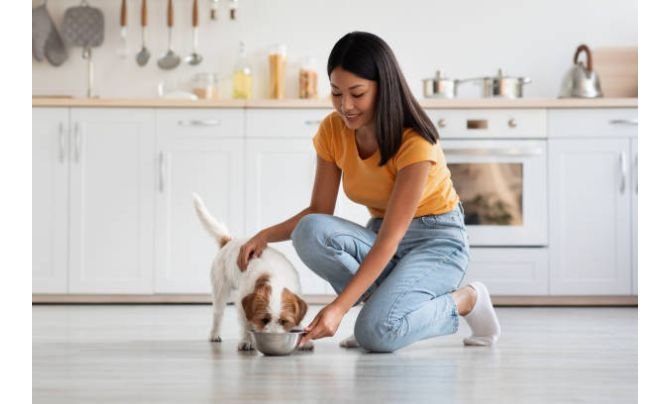
Puppyhood is the perfect time to start regular health checks. Training your dog to tolerate mouth, ear, and paw handling early makes future grooming and health care much easier.
- Get your puppy used to mouth inspections—this will help when it’s time to brush their teeth or check their gums.
- Frequently touch their ears and paws to help them get comfortable with future cleaning and nail trims.
- Regularly checking gums can indicate your dog’s internal health; healthy gums are typically pink and moist.
Nutrition Matters: Feed Them Right
Diet is one of the biggest factors in keeping dog healthy. Feeding your dog poor-quality food with artificial additives and fillers can lead to health issues like obesity, diabetes, and digestive problems.
Avoid Feeding These Dangerous Foods:
- Chocolate
- Onions
- Grapes and raisins
- Cooked chicken or turkey bones
- Rawhide
Tips for Better Nutrition:
- Choose high-quality dog food that meets your dog’s specific age and breed needs.
- Limit human food, especially fatty meats or sugary treats.
- Be cautious of supermarket mince—it often contains high fat content that can lead to weight gain.
- Regulate treat intake and avoid those loaded with additives or artificial colors.
If you do feed your dog some human-grade food, make sure it’s dog-safe and not given so often that your pup starts begging during every family meal.
Read full: How to Calm a High Energy Dog
Watch Their Weight: The Hidden Health Risk
Maintaining a healthy weight is vital. Obesity in dogs increases the risk of:
- Joint issues
- Heart disease
- Diabetes
- Reduced lifespan
Use portion control, don’t overfeed treats, and ensure they get enough physical activity. Over-weight dogs are often those given too much human food or not exercised enough.
Elevate Their Mealtime: Use the Right Bowl
A commonly overlooked health tip? Use an elevated food bowl. This can:
- Reduce the risk of choking
- Improve digestion
- Prevent strain on the neck and joints, especially in large breeds or older dogs
Small puppies and short dogs may not need one, but larger breeds can greatly benefit.
Exercise: A Daily Requirement for All Dogs
Exercise isn’t optional. Whether your dog is a high-energy working breed or a chill lapdog, daily movement is crucial.
- Large breeds often need up to two hours of activity daily.
- Small breeds still require at least one walk per day.
- If your schedule is tight, consider a dog playpen or outdoor kennel to let them roam safely.
Mental exercise is equally important—try puzzle toys, scent games, or short training sessions to challenge their brain.
Grooming: More Than Just Looking Good
Grooming is essential for keeping dog healthy, not just stylish. Start regular grooming habits young so your dog grows up comfortable with brushing, bathing, and nail clipping.
Grooming Essentials by Coat Type:
- Long-haired breeds (e.g., Lhasa Apso, Australian Shepherd): Daily brushing + regular trims
- Short-haired breeds (e.g., Pugs): Minimal brushing + occasional baths
- Bathing tips: Small dogs can be washed in a sink; larger dogs may need the tub or a groomer
Related Articles: Top 10 Best Dog Grooming Table: A Comprehensive Guide
Nail Clipping: A Crucial Yet Often Overlooked Routine
Neglected nails can cause joint strain, posture problems, and pain. Start clipping your dog’s nails when they’re a puppy so they get used to the sensation.
✂️ Safety Tip: Only trim the white part of the nail. Cutting too deep into the quick can cause bleeding.
If you’re unsure or uncomfortable trimming them yourself, it’s best to ask your vet or groomer to do it professionally.
Companionship: Dogs Need Emotional Wellness Too
Physical health is just one part of the equation. Dogs need emotional balance to stay truly healthy.
- Don’t leave your dog alone for long stretches every day.
- Hire a dog walker, enroll in daycare, or spend quality time together to reduce boredom and anxiety.
- Dogs that feel neglected often chew, bark excessively, or become withdrawn.
A healthy dog is not just well-fed and well-groomed—it’s loved and engaged.
Discover: Top 10 Best Dog Travel Bag for Supplies Reviews
Final Thoughts on Keeping Dog Healthy
From early training and proper nutrition to grooming, exercise, and mental stimulation, maintaining your dog’s health is a daily commitment. Build a lifestyle that meets their physical and emotional needs, and you’ll not only keep your dog healthy—you’ll also build a lasting bond based on trust and care.