

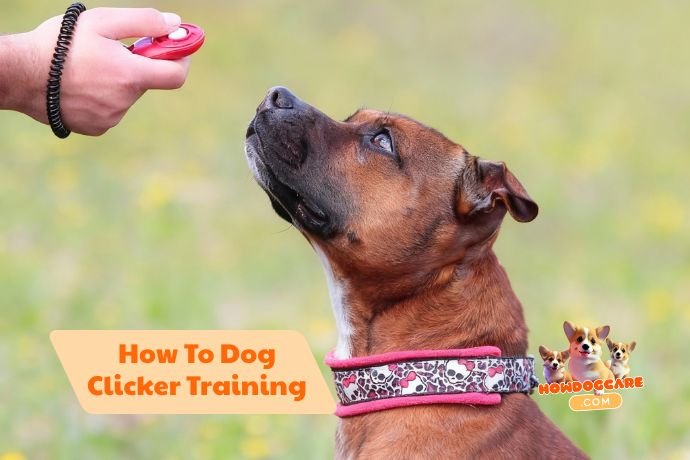
Introduction to Dog Clicker Training
What is Clicker Training for Dogs?
Dog clicker training is a modern, positive reinforcement method that uses a small handheld device called a clicker to mark desired behaviors. When your dog performs the right action, you press the clicker, producing a sharp “click” sound, and immediately follow it with a treat or reward. Over time, your dog learns to associate the click with doing something correctly and earning a reward. Unlike traditional training that often relies on verbal commands alone, the clicker provides a clear, consistent, and unmistakable marker that cuts through background noise and human speech variations.
Clicker training works for both basic obedience and advanced tricks. Whether you want your dog to “sit,” “stay,” or even learn agility moves, the clicker helps speed up the learning process by pinpointing the exact moment the behavior happens. This clarity helps dogs learn much faster because they’re not confused about what they did right.
Think of the clicker as a snapshot camera—it “captures” the moment your dog performs the correct action. Over time, dogs start to anticipate that a click means good things are coming, which makes training sessions fun and motivating for them.
Why Use a Clicker Instead of Voice Commands?
Many dog owners wonder, “Why not just say ‘good boy’ or ‘yes’ instead of clicking?” While praise is important, voice tones can change with mood, volume, and emotion. A clicker, on the other hand, is always consistent. It doesn’t matter if you’re tired, excited, or distracted—the sound is sharp, distinct, and always the same.
Dogs respond better when training cues are clear and predictable. Imagine trying to learn a new skill when the instructions change every time—it would be frustrating. The clicker eliminates this confusion. Another benefit is that the clicker marks the exact moment of the behavior, something your voice can’t always do as precisely.
For example, if you’re teaching “sit,” you want to click the second your dog’s bottom touches the floor—not after, not before. A voice cue might be delayed, but a click is instantaneous. That split-second accuracy makes a big difference in how fast your dog learns.
Clickers also reduce over-reliance on treats in the long run. While food rewards are crucial at the beginning, once your dog understands the click equals success, you can gradually reduce treats and use toys, praise, or play as rewards instead.
The Science Behind Clicker Training
Clicker training is rooted in behavioral psychology, specifically operant conditioning, a concept popularized by B.F. Skinner. In simple terms, behaviors followed by positive outcomes are more likely to be repeated. The clicker serves as a conditioned reinforcer—a neutral sound that becomes meaningful because it predicts something good (like a treat).
This type of training also taps into a concept called marker-based learning. The click pinpoints the behavior precisely, allowing the dog to connect action with reward more effectively. Scientific studies show that dogs trained with a marker, such as a clicker, often learn faster than those trained with voice praise alone.
Clicker training also encourages active learning. Instead of forcing dogs into positions or punishing mistakes, you’re reinforcing correct choices. This approach not only speeds up learning but also creates a more enthusiastic learner. Dogs trained with clickers often display wagging tails, alert ears, and eager anticipation during sessions.
By combining psychology, clarity, and consistency, clicker training transforms how dogs understand and respond to their owners. It’s not just about teaching tricks—it’s about communication and trust.
Benefits of Dog Clicker Training

Faster Learning and Positive Reinforcement
One of the biggest advantages of dog clicker training is how quickly dogs pick up new behaviors. The precise timing of the click shortens the learning curve. For example, when teaching a puppy to “sit,” it might take several days using just voice praise, but with a clicker, many dogs grasp the idea in just a few repetitions.
The method relies entirely on positive reinforcement, which is one of the most effective and humane ways to train animals. Instead of punishing mistakes, you reward correct actions, encouraging your dog to repeat them. This makes the training experience enjoyable rather than stressful, which is key to long-term success.
Studies show that dogs trained with positive reinforcement methods, such as clickers, not only learn faster but also retain behaviors longer compared to punishment-based training. This happens because dogs are motivated by rewards and eager to repeat actions that earn them good outcomes.
Another benefit is that clicker training works across different learning stages. Puppies, adult dogs, and even senior dogs can all respond well to the method. It’s versatile, adaptable, and effective for obedience, tricks, and even correcting unwanted behaviors.
Building a Stronger Bond with Your Dog
Training isn’t just about obedience—it’s about building a relationship. Dog clicker training creates a bond of trust and understanding between you and your furry friend. When training is based on rewards and encouragement, your dog begins to see you as a source of positivity rather than discipline.
Each click-and-reward interaction is like a small conversation: your dog does something right, you acknowledge it instantly, and they’re rewarded. Over time, this process builds mutual respect and communication. Your dog learns to pay closer attention to your cues because they know listening leads to good things.
This bond becomes particularly valuable in everyday life. A well-trained dog is easier to manage in public, safer around strangers, and more relaxed at home. And because the training is enjoyable, your dog will look forward to sessions as quality time with you.
Think of it as learning a shared language. The clicker bridges the gap between human communication and canine understanding, making your relationship stronger and more harmonious.
Reducing Stress and Confusion in Training
Dogs often get frustrated when they can’t figure out what their owners want. Traditional training methods that rely on corrections or scolding can create fear and anxiety. In contrast, clicker training removes stress by making expectations clear.
The clicker acts as a stress-free guide. Your dog knows immediately when they’ve done something right, which reduces confusion. Instead of guessing or fearing punishment, your dog approaches training with curiosity and confidence. This results in quicker progress and fewer behavioral problems.
Clicker training also prevents the negative side effects of punishment, such as distrust, nervousness, or aggression. By focusing on encouragement, your dog learns in a positive emotional state. A happy dog learns faster, and a confident dog is less likely to develop behavioral issues.
In essence, clicker training isn’t just about teaching commands—it’s about creating an enjoyable learning experience. When dogs aren’t stressed, they’re more focused, responsive, and willing to engage in training sessions.
Essential Tools for Clicker Training
Choosing the Right Clicker

Not all clickers are created equal. Some produce louder clicks, while others are softer and more discreet. The right choice depends on your dog’s personality. A bold, confident dog might respond well to a standard loud click, while a timid or sensitive dog may prefer a quieter clicker.
Clickers also come in different styles: box clickers, button clickers, and ergonomic models. Some even attach to your wrist or finger for convenience. For outdoor training, there are clickers with adjustable volume settings.
The key is to choose one that feels comfortable for you and works well for your dog. Consistency matters most, so pick a clicker that you’ll enjoy using regularly.
Best Treats for Dog Clicker Training

Treats are the heart of dog clicker training. Since every click is followed by a reward, you’ll need plenty of tasty, bite-sized treats. The best treats are small, soft, and easy to chew so your dog can quickly eat them and stay focused.
High-value treats—like bits of chicken, cheese, or store-bought training treats—work especially well in the beginning. These motivate your dog and make the clicker association strong. As training progresses, you can mix in lower-value treats or even non-food rewards like toys or praise.
Remember, treats should be healthy and safe. Avoid anything that could upset your dog’s stomach or add excessive calories. Training sessions involve many repetitions, so small portions are better to avoid overfeeding.
Other Helpful Accessories
While a clicker and treats are the essentials, a few extra tools can make training smoother:
- Treat pouch: Keeps rewards handy and prevents fumbling during training.
- Long training leash: Useful for recall exercises and practicing commands outdoors.
- Target stick: Helps guide your dog for more advanced tricks.
- Training mat: Provides a designated spot for behaviors like “stay” or “settle.”
These accessories aren’t mandatory, but they can make sessions more efficient and enjoyable. The goal is to create a training setup that minimizes distractions and keeps your dog’s attention on learning.
Step-By-Step Guide to Starting Dog Clicker Training
Step 1 – Charging the Clicker (Conditioning Phase)
Before teaching commands, your dog needs to understand what the click means. This process is called “charging the clicker.” Start in a quiet room with no distractions. Press the clicker and immediately give your dog a treat. Repeat this 10–15 times in short sessions.
Within a few repetitions, your dog will start to anticipate the treat as soon as they hear the click. You’ll know the clicker is “charged” when your dog looks excited or expectant after hearing it—even before you reach for a treat.
This step is crucial because it builds the foundation for all future training. If the click doesn’t hold meaning for your dog, the rest of the training won’t be effective. Think of it as teaching your dog that the “click” is a promise: something good is coming.
Step 2 – Introducing Simple Commands
Once the clicker is charged, you can begin with basic commands like “sit” or “down.” For example, to teach “sit,” wait until your dog naturally places their bottom on the ground. The moment it happens, click and reward. Repeat several times until your dog begins to offer the behavior deliberately.
Unlike traditional training, you don’t force your dog into position—you simply capture the behavior when it happens. Over time, you can add a verbal cue like “sit” just before your dog performs the action. The click confirms they did it correctly, and the treat reinforces it.
Start with simple commands to build confidence. Success at this stage motivates your dog and makes them eager for more complex training later.
Step 3 – Adding Complexity and Duration
Once your dog has mastered simple commands, you can gradually add difficulty. For example, instead of rewarding immediately for “sit,” wait a second before clicking. This builds duration and helps your dog learn to hold the position.
You can also begin teaching more complex sequences, such as “sit, stay, and come.” Break down each step, click for success, and reward consistently. The key is patience—always move at your dog’s pace, not yours.
Increasing complexity keeps your dog mentally stimulated. Training becomes not just about obedience but also about problem-solving and engagement.
Step 4 – Fading Out the Clicker Gradually
The goal of dog clicker training isn’t to use the clicker forever. Once your dog reliably performs behaviors, you can gradually reduce its use. Instead of clicking every single time, click only for the best performances or new behaviors.
Eventually, you’ll transition to verbal praise, gestures, or other rewards. However, many trainers keep the clicker handy for teaching new tricks because it remains such an effective learning tool.
The gradual fade-out ensures your dog doesn’t become dependent on the clicker but still retains the behaviors learned through it.
Common Commands to Teach with Clicker Training
Sit and Stay
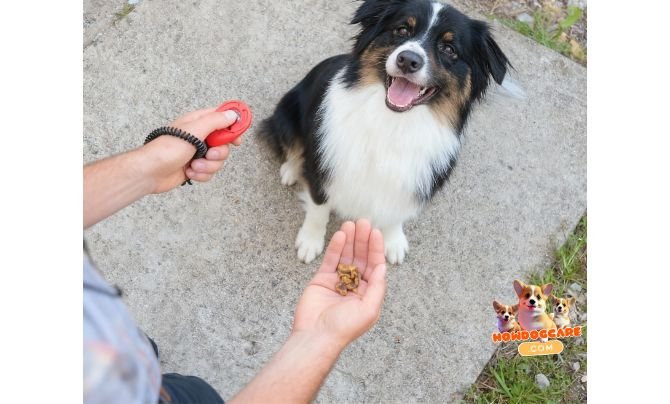
“Sit” and “stay” are among the first commands most dog owners teach—and they’re perfect for clicker training. To teach “sit,” wait for your dog’s natural sitting behavior, click, and reward. Once consistent, introduce the verbal cue.
“Stay” requires patience. Start with your dog in a sit, then take one small step back. If your dog remains seated, click and reward. Gradually increase the distance and time. The precision of the click helps your dog understand exactly when they succeeded.
Over time, these commands build control and discipline, making your dog safer and more manageable in real-life situations.
Come When Called
Teaching recall—or “come when called”—is one of the most important skills for any dog. Clicker training makes this process faster and more reliable because it clearly marks the exact moment your dog responds correctly.
Start in a quiet, distraction-free area. Call your dog’s name and say “come” in an enthusiastic tone. The second your dog starts moving toward you, click and reward generously. Even if they only take a few steps, celebrate the effort. Over time, increase the distance and add mild distractions, always reinforcing the behavior with clicks and high-value treats.
The key is to make coming to you the most rewarding option available. Never call your dog for something unpleasant, like a bath or ending playtime, because it creates negative associations. Instead, always link recall with fun, praise, and rewards.
With consistency, your dog will learn that “come” means good things, making it a lifesaving command in potentially dangerous situations.
Lie Down and Roll Over

“Lie down” is another foundational command that builds control and calmness in dogs. Start by waiting for your dog to naturally lower their body to the ground. The moment their elbows touch the floor, click and reward. After a few repetitions, introduce the verbal cue “down.”
Once your dog masters this, you can build on it with fun tricks like “roll over.” Break the movement into small steps: reward for lying down, then for shifting to one side, then for rolling partway, and finally for completing the roll. The clicker marks each successful step, guiding your dog smoothly through the process.
These commands not only entertain but also reinforce impulse control and focus. They’re especially useful in situations where calm behavior is needed, like vet visits or busy public spaces.
Walking Nicely on a Leash

Leash pulling is one of the most common challenges for dog owners. Clicker training provides a positive solution by rewarding your dog for walking calmly by your side.
Begin with your dog on a leash in a quiet area. The moment the leash slackens or your dog walks beside you, click and reward. If they pull ahead, stop walking and wait. When they return to your side, click and reward again.
Consistency is key here. Your dog will quickly learn that pulling gets them nowhere, while walking politely brings rewards and forward movement. Over time, you can phase out the clicker and use praise or occasional treats to maintain the behavior.
Loose-leash walking not only makes outings more enjoyable but also strengthens the sense of teamwork between you and your dog.
Troubleshooting Dog Clicker Training
What If My Dog Ignores the Clicker?
Sometimes dogs don’t respond to the clicker right away, especially if it hasn’t been charged properly. If your dog isn’t reacting, go back to the conditioning phase: click and immediately reward with something irresistible, like chicken or cheese.
Another issue might be the clicker sound itself. Some dogs are startled by loud clicks, while others barely notice soft ones. Experiment with different clicker types until you find one your dog responds to comfortably.
Patience is crucial. Every dog learns at their own pace, and some may need extra encouragement. Stay consistent, keep sessions short and fun, and your dog will eventually connect the click to rewards.
Avoiding Overuse of Treats
One concern with clicker training is over-reliance on food rewards. While treats are essential in the beginning, the goal is to transition to variable rewards. Once your dog reliably performs a behavior, mix in verbal praise, toys, or play instead of always giving food.
You can also reduce treat size to tiny bits to prevent overfeeding. Training should never replace meals but complement them with small, tasty bites.
Remember, the clicker is the primary reinforcement tool—the treat simply backs it up. Over time, your dog will respond to the click and praise alone, making training sustainable and healthy.
Dealing with Distractions
Dogs are easily distracted, especially in new environments. If your dog struggles to focus, start training in a quiet room and gradually introduce mild distractions. For example, practice “sit” while the TV is on, then move to the backyard, and eventually to a park.
When distractions increase, use higher-value treats to keep your dog motivated. Timing is critical—click the instant your dog chooses to focus on you instead of the distraction. This teaches them that ignoring outside stimuli leads to rewards.
Consistency and patience will help your dog generalize behaviors across different environments, making them reliable in real-life situations.
Advanced Dog Clicker Training Techniques
Teaching Tricks and Fun Behaviors
Once your dog masters basic obedience, clicker training opens the door to more exciting tricks. From “shake hands” to “play dead,” the process is the same: break the behavior into small steps, click for each success, and reward consistently.
For example, to teach “spin,” lure your dog in a small circle with a treat. As soon as they follow the circle, click and reward. Gradually fade the lure until they spin on command.
These tricks not only impress friends but also provide mental stimulation, keeping your dog engaged and preventing boredom. A mentally stimulated dog is less likely to develop destructive habits like chewing or excessive barking.
Clicker Training for Agility Dogs
Clicker training is widely used in dog sports, particularly agility. The clicker helps dogs learn complex sequences like weaving through poles, jumping hurdles, and running tunnels. By breaking down each step and marking success with precision, you can build a confident, enthusiastic agility partner.
Agility training with a clicker also strengthens teamwork. Your dog learns to watch your cues closely, while you gain better timing and consistency as a trainer. This mutual focus translates into smoother, faster, and more enjoyable performances.
Using Clicker Training to Break Bad Habits
Clicker training isn’t just about teaching new behaviors—it’s also a powerful tool for modifying unwanted ones. Instead of punishing your dog for bad habits, you can use the clicker to reinforce alternative, positive behaviors.
For example:
- If your dog jumps on guests, click and reward for sitting calmly instead.
- If they bark excessively, click and reward for quiet moments.
- If they chew furniture, click and reward for chewing toys.
By focusing on what you want your dog to do instead of what you don’t want, you create lasting behavior change without fear or stress.
Related Articles
Clicker Training for Puppies vs. Adult Dogs
Puppy Clicker Training Tips
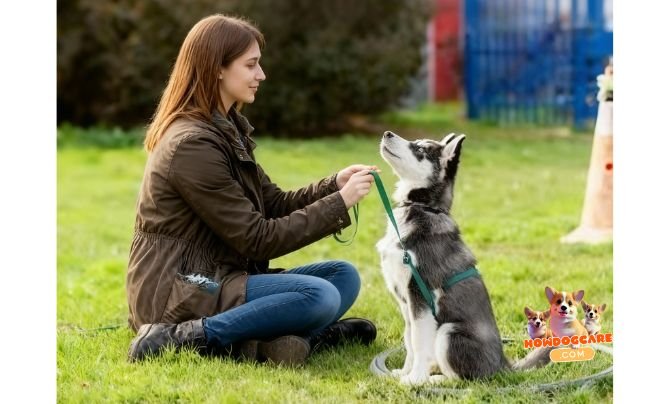
Puppies are like sponges—they soak up new information quickly, making them ideal candidates for clicker training. Start as early as eight weeks old with simple commands like “sit” and “come.” Keep sessions short (5–10 minutes) to match their attention span, and always end on a positive note.
Puppy clicker training also helps prevent bad habits before they form. For example, you can teach polite greetings early instead of correcting jumping behavior later. The clicker gives puppies clear guidance during their most impressionable stage of development.
Adjustments for Older Dogs
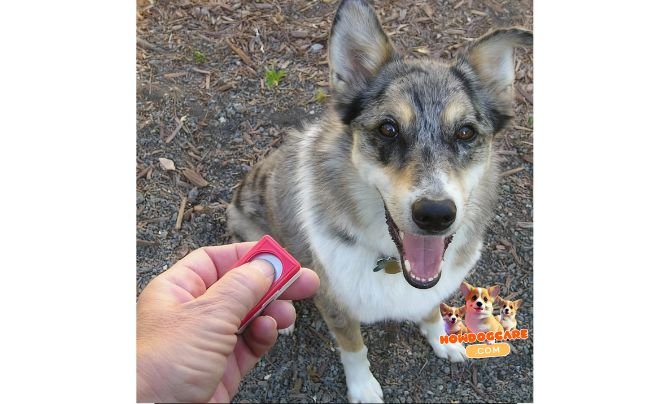
Some people assume older dogs can’t learn new tricks, but with clicker training, they absolutely can. Adult and senior dogs may take longer to unlearn old habits, but they can still respond enthusiastically to the clarity and positivity of the clicker.
For older dogs, patience is key. Start with easy commands and gradually build up to more complex ones. Use softer clickers if your dog has sensitive hearing, and choose treats that are easy to chew.
Clicker training can even help senior dogs stay mentally sharp, providing cognitive stimulation that supports healthy aging.
How Long Does Dog Clicker Training Take?
Factors That Influence Training Speed
The time it takes for clicker training to work depends on several factors:
- Dog’s age and temperament – Puppies often learn quickly, while older dogs may need more time.
- Consistency of the trainer – Daily short sessions are more effective than occasional long ones.
- Environment – Fewer distractions mean faster learning.
- Reward quality – High-value treats boost motivation.
Some dogs master a command in just a few sessions, while others may take weeks. The important thing is steady progress, not speed.
Setting Realistic Expectations
Training is a journey, not a race. Expect ups and downs along the way. Your dog may perform perfectly one day and seem to forget everything the next—that’s normal. Patience, repetition, and positivity will always get you back on track.
Set small, achievable goals. Celebrate every milestone, whether it’s a perfect “sit” or a slightly better leash walk. Over time, these small wins add up to a well-trained, confident, and happy dog.
Mistakes to Avoid in Dog Clicker Training
Clicking at the Wrong Time
One of the most common errors in dog clicker training is poor timing. The click must happen at the exact moment your dog performs the correct behavior. If you click too early or too late, your dog may get confused about what action earned the reward.
For example, if you’re teaching “sit” and you click after your dog has already stood back up, you may accidentally reinforce standing instead of sitting. To avoid this, focus closely and practice your timing. Some trainers even rehearse by watching videos of dogs performing behaviors and clicking at the right moment.
Good timing makes all the difference. A click at the wrong time slows learning, while a perfectly timed click speeds it up dramatically. Remember: the click is like a camera snapshot—it should capture the behavior you want, not what comes before or after.
Forgetting to Reward Quickly
The golden rule of clicker training is: click, then treat. If there’s too much delay between the sound and the reward, your dog may lose interest or fail to make the connection.
Always have treats ready before you begin a session. Using a treat pouch can help keep rewards accessible and prevent fumbling. The faster your dog receives the reward after the click, the stronger the association becomes.
Over time, you can vary rewards, but during the early stages, consistency is vital. Think of the clicker as a promise—you must always follow through with something positive. If you don’t, the click loses its meaning.
Inconsistent Training Sessions
Dogs thrive on consistency. If you train sporadically or change the rules frequently, your dog may get confused and frustrated. Regular, short sessions (5–15 minutes) are much more effective than long, irregular ones.
Consistency also applies to verbal cues and body language. If you sometimes say “down” and other times say “lie,” your dog may struggle to understand. Choose clear commands and stick to them.
Training is like building a muscle—the more consistent practice, the stronger the behavior becomes. Skipping sessions or being inconsistent weakens progress, while steady practice ensures reliable results.
Positive Reinforcement vs. Traditional Training
Why Punishment-Based Methods Fail
Traditional training methods often relied on corrections, scolding, or even physical punishment. While these approaches may stop unwanted behaviors temporarily, they come with serious drawbacks. Dogs trained with punishment often become fearful, anxious, or even aggressive.
Punishment doesn’t teach your dog what to do—it only tells them what not to do. This leaves your dog confused and less likely to trust you. Over time, it can damage the bond between owner and pet.
In contrast, clicker training focuses on reinforcing good behavior. Instead of punishing mistakes, you guide your dog toward success. This not only creates faster learning but also fosters a positive, trusting relationship.
Clicker Training as a Humane Approach
Clicker training represents the heart of positive reinforcement. By marking and rewarding desirable actions, you teach your dog in a way that is both effective and compassionate.
It’s also flexible and adaptable. Whether you’re teaching a puppy basic obedience, helping a rescue dog adjust, or training a competition-level agility dog, clicker training can be tailored to any situation.
Most importantly, clicker training builds confidence. Dogs trained with positive reinforcement are more eager to try new things, less afraid of making mistakes, and more engaged with their owners. It’s not just about obedience—it’s about creating a happy, confident dog who enjoys learning.
Real-Life Success Stories with Dog Clicker Training
Transforming a Stubborn Dog
Many owners label their dogs as “stubborn” when, in reality, the dog simply doesn’t understand what’s being asked. Clicker training has transformed countless so-called stubborn dogs into eager learners.
For example, a Labrador who refused to walk nicely on a leash began responding after just a week of clicker training. The precise marking of calm walking replaced the frustration of constant pulling, and within a month, walks became enjoyable for both dog and owner.
This success comes from changing the communication style. Instead of punishing pulling, the owner clicked and rewarded every step of calm walking. The dog quickly realized that good behavior—not resistance—brought rewards.
Rescue Dogs and Clicker Training
Rescue dogs often come with a history of neglect, fear, or inconsistent training. For these dogs, traditional methods may worsen anxiety. Clicker training, however, provides a gentle, confidence-building approach.
One rescue German Shepherd, for instance, was terrified of strangers. Through clicker training, the dog gradually learned to associate calm behavior around new people with rewards. The clicker provided clear communication without fear, helping the dog build trust and overcome past trauma.
Stories like this highlight the transformative power of clicker training. It’s not just about teaching skills—it’s about healing, trust, and creating new beginnings.
Conclusion: Why Every Dog Owner Should Try Clicker Training
Dog clicker training isn’t just a trend—it’s one of the most effective, humane, and enjoyable ways to train your dog. By using a simple tool and positive reinforcement, you create a clear communication channel that helps your dog learn faster, feel more confident, and build a stronger bond with you.
From teaching basic commands like “sit” and “stay” to solving behavioral challenges and even mastering advanced tricks, clicker training is versatile and powerful. Unlike punishment-based methods, it fosters trust and enthusiasm, making training a joyful experience rather than a stressful chore.
Whether you’re working with a puppy, an older dog, or even a rescue with a difficult past, clicker training provides the tools you need for success. It transforms not only your dog’s behavior but also your relationship—turning training time into quality bonding time.
So grab a clicker, some treats, and a little patience, and start the journey today. You’ll be amazed at how quickly your dog learns—and how much fun you’ll both have along the way.
Frequently Asked Questions about Dog Clicker Training
Can I use a word instead of a clicker?
Yes, some trainers use words like “yes” or “good,” but a clicker is more consistent and precise. Words can vary in tone, while the clicker sound is always the same.
How long should each training session last?
Short and frequent sessions work best—around 5–15 minutes. Dogs learn more effectively in bursts rather than long, exhausting sessions.
Do I always need to use treats?
Treats are essential in the beginning, but over time, you can phase in other rewards like toys, praise, or playtime.
Is clicker training suitable for all breeds?
Yes! Clicker training works for every breed, from small lap dogs to working breeds. The method adapts to each dog’s learning style and motivation.
Can clicker training fix behavioral problems?
Yes, many issues like jumping, barking, or pulling can be addressed by rewarding alternative positive behaviors instead of punishing the unwanted ones.